Did you know? · NVS insights
Several dashboard warnings – could they share one cause?
ADAS stands for advanced driver assistance systems. It describes a family of technologies: sensors, control units and different functions working together. The assistance available can vary considerably with a vehicle’s equipment.
What does this include?
- Distance and collision risk
- Adaptive cruise control, collision warnings and automatic emergency braking functions.
- Lanes and surroundings
- Lane departure warning, lane keeping, blind spot monitoring and cross-traffic warnings.
- Signs and parking assistance
- Road sign recognition and camera-based assistance; the exact features depend on the model.
When is a check worth considering?
- When an assistance feature is unavailable or repeatedly reports a fault.
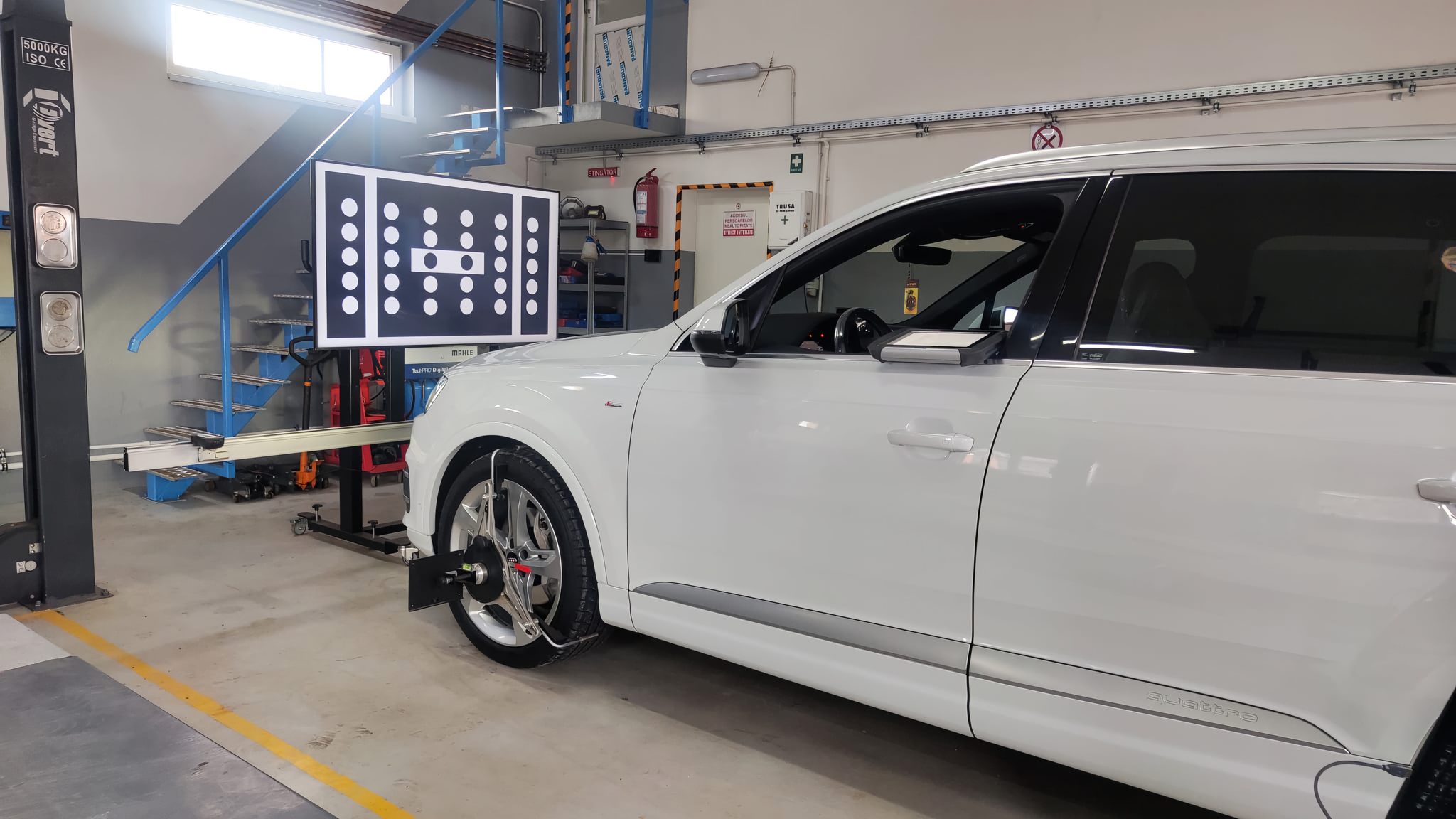
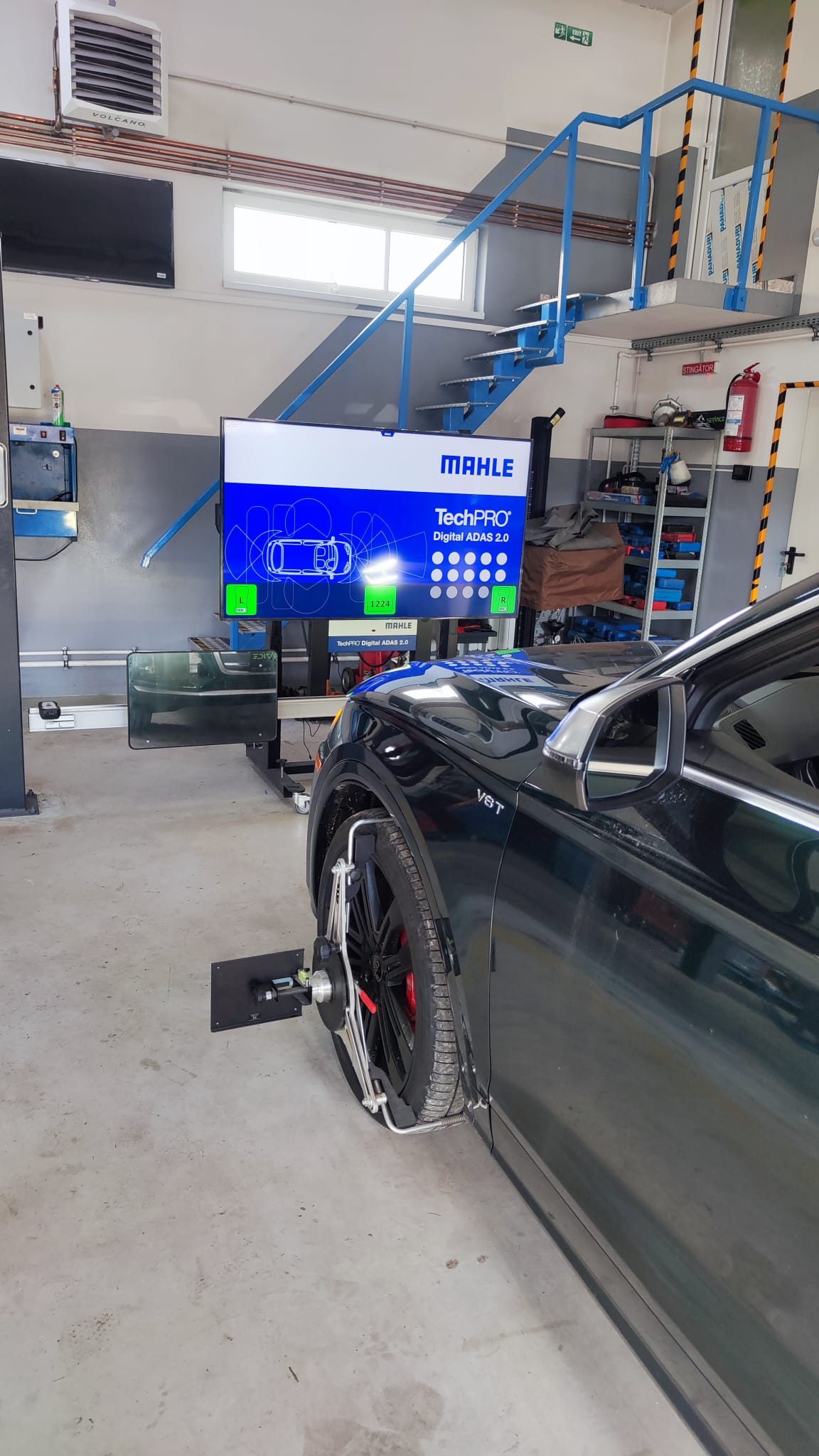
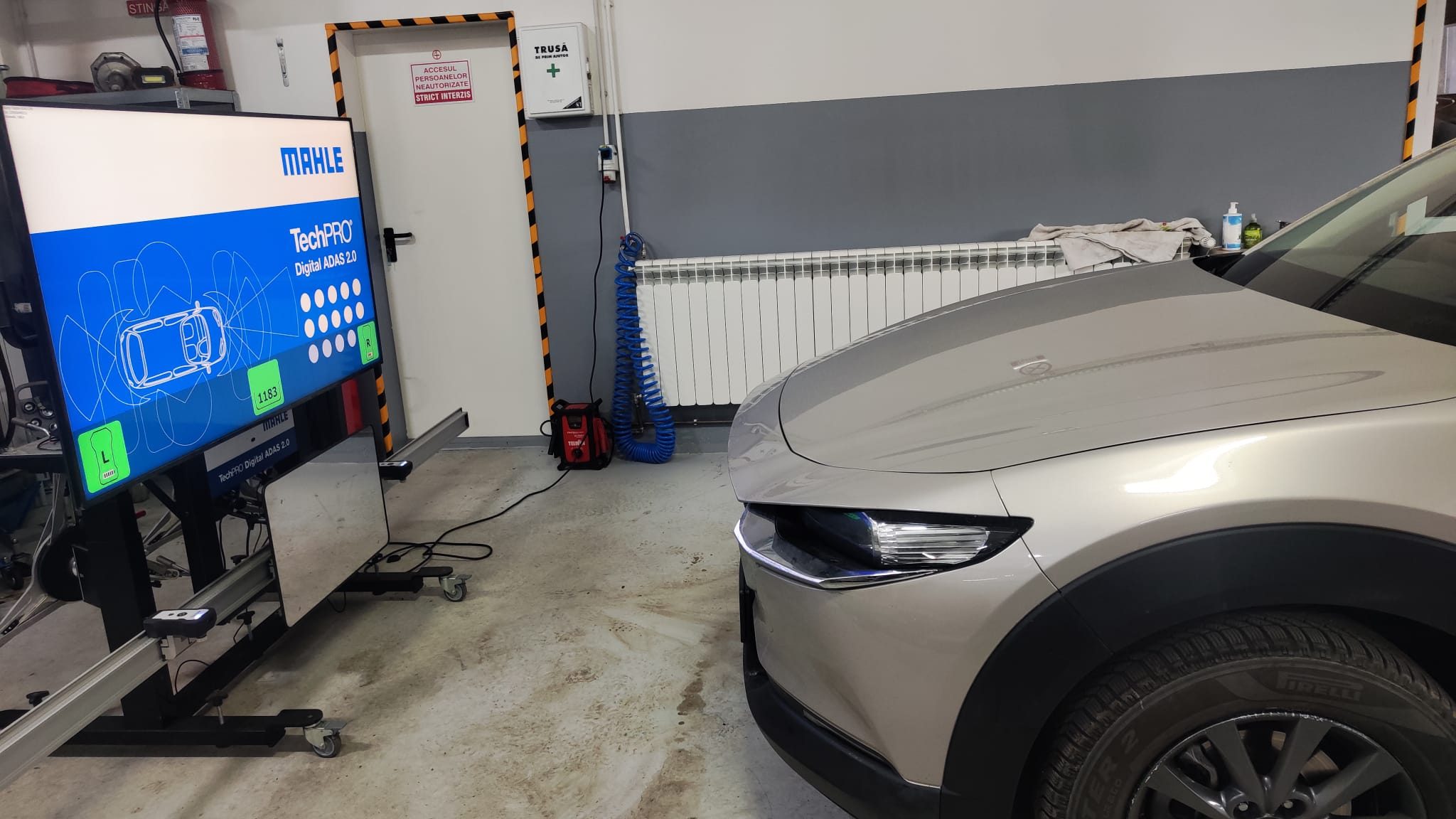
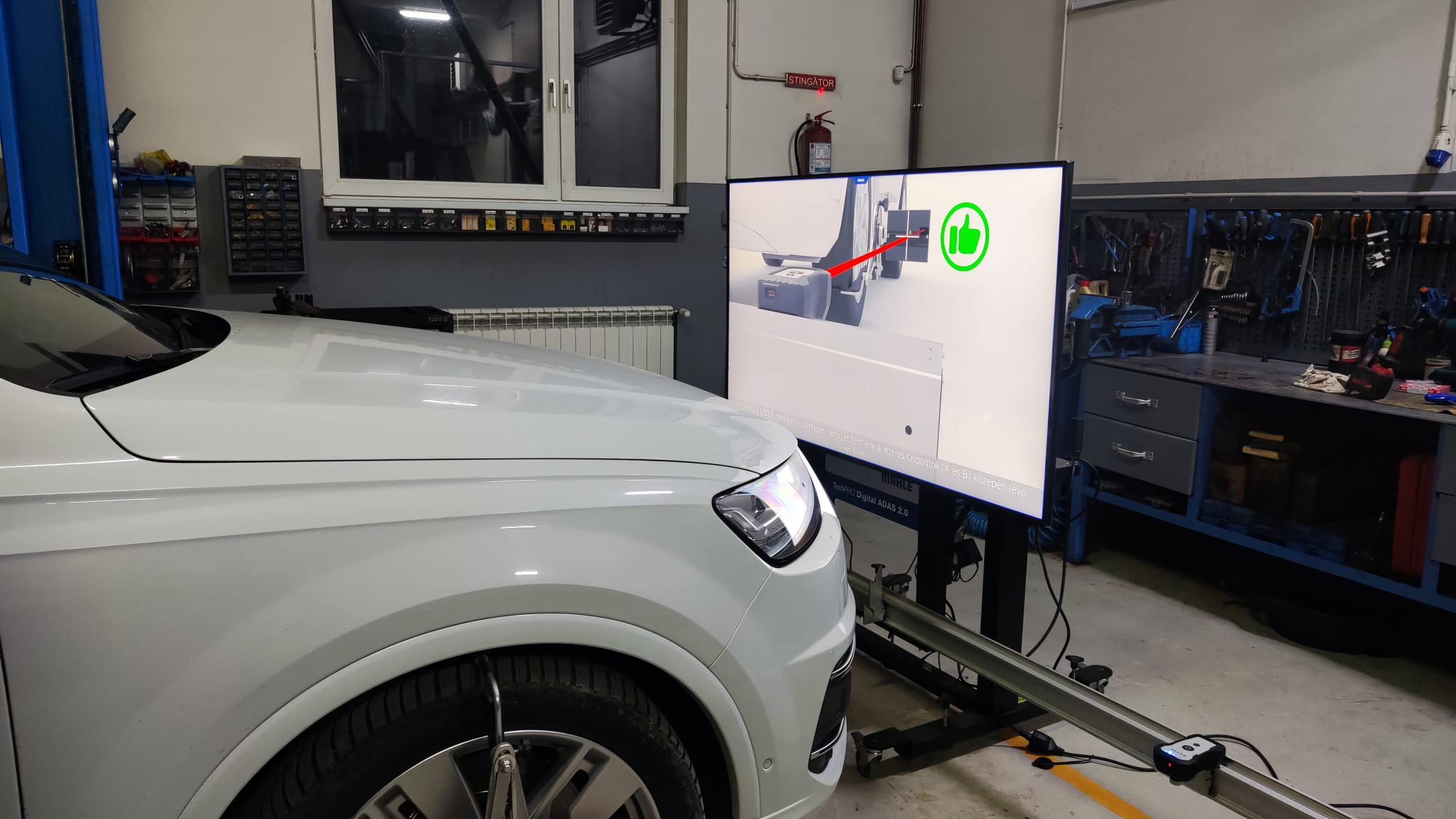
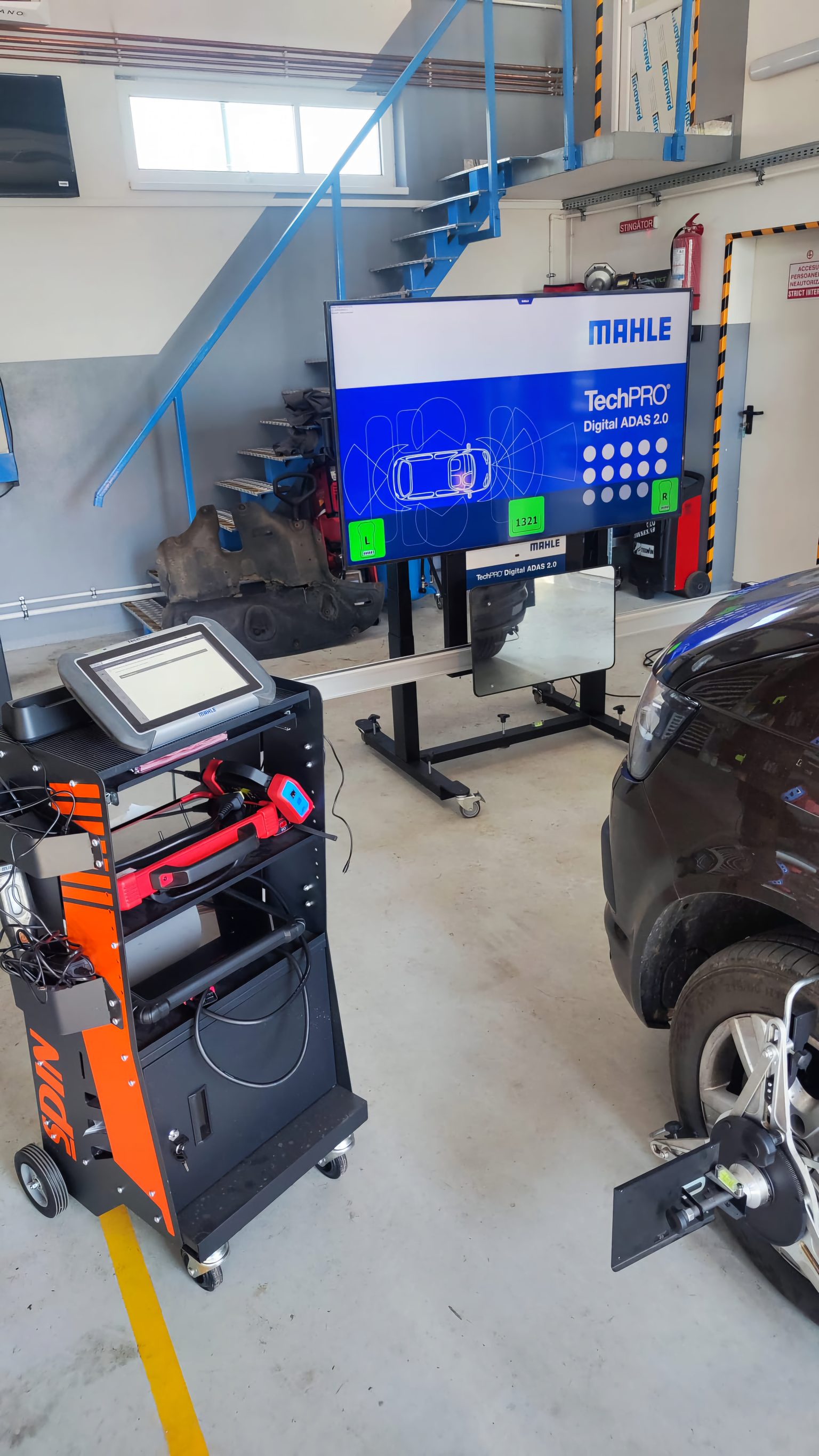
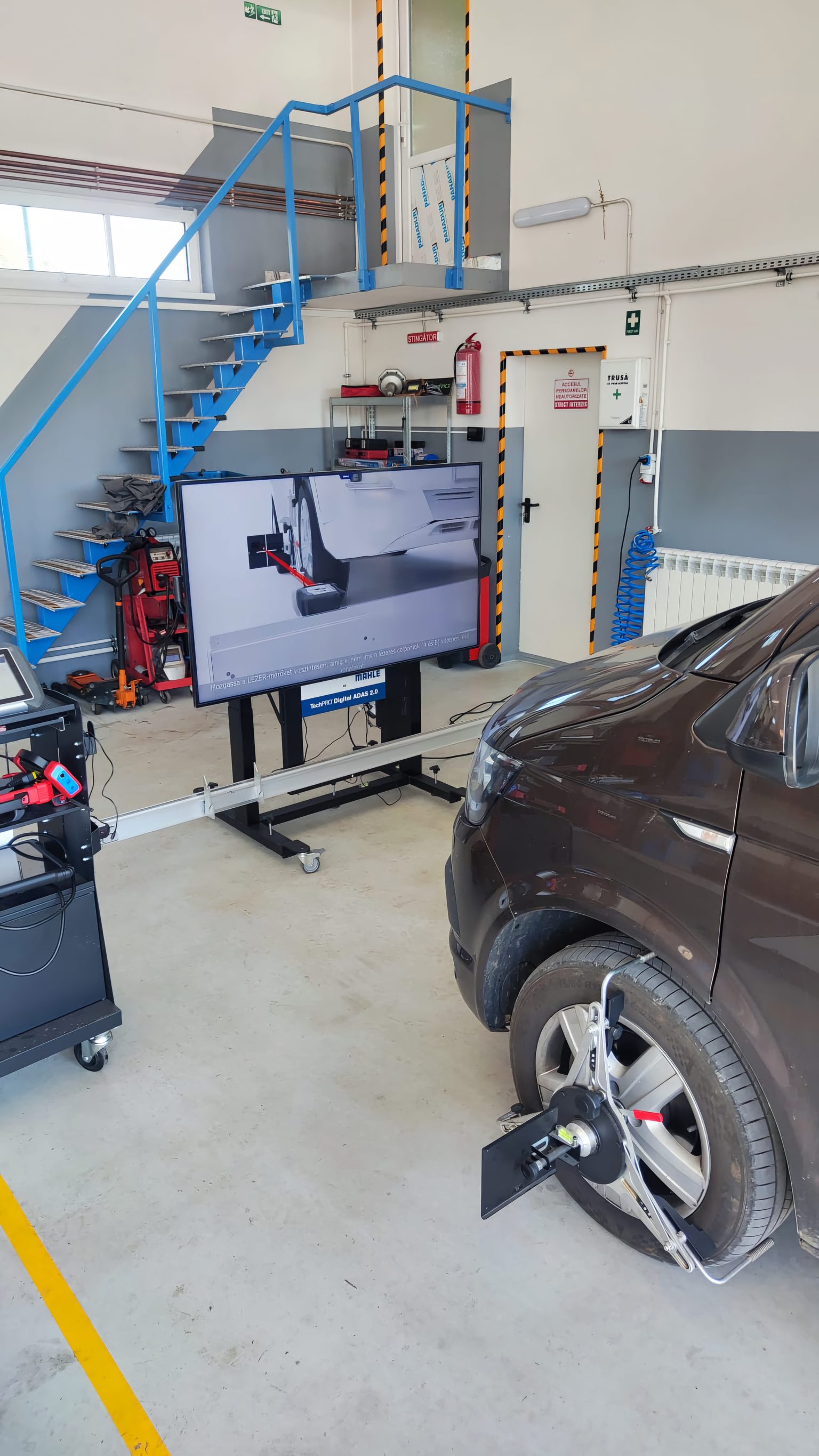
- After work involving sensors, the windscreen or relevant suspension components, as specified by the manufacturer.
- When you would like to understand what the systems in your own car actually do.
Our approach in the workshop
We clarify your experience
The displayed message, weather and circumstances help us start in the right place.
We look at system relationships
We review sensors, fault memory and information from the systems that work together.
We choose the appropriate procedure
Any repair and calibration are matched to the vehicle and system identified.
Questions we often hear
Are calibration and diagnostics the same thing?
No. Diagnostics investigates condition and causes; calibration establishes or teaches the sensor’s correct reference.
Do working assistants replace driver attention?
No. They support driving within their own limits. The vehicle handbook explains their operation and limitations.
The exact work depends on the vehicle model, equipment, condition and manufacturer procedure. We agree the scope and price of the inspection in advance.