Did you know? · NVS insights
We have a fault code. Does that automatically identify the failed part?
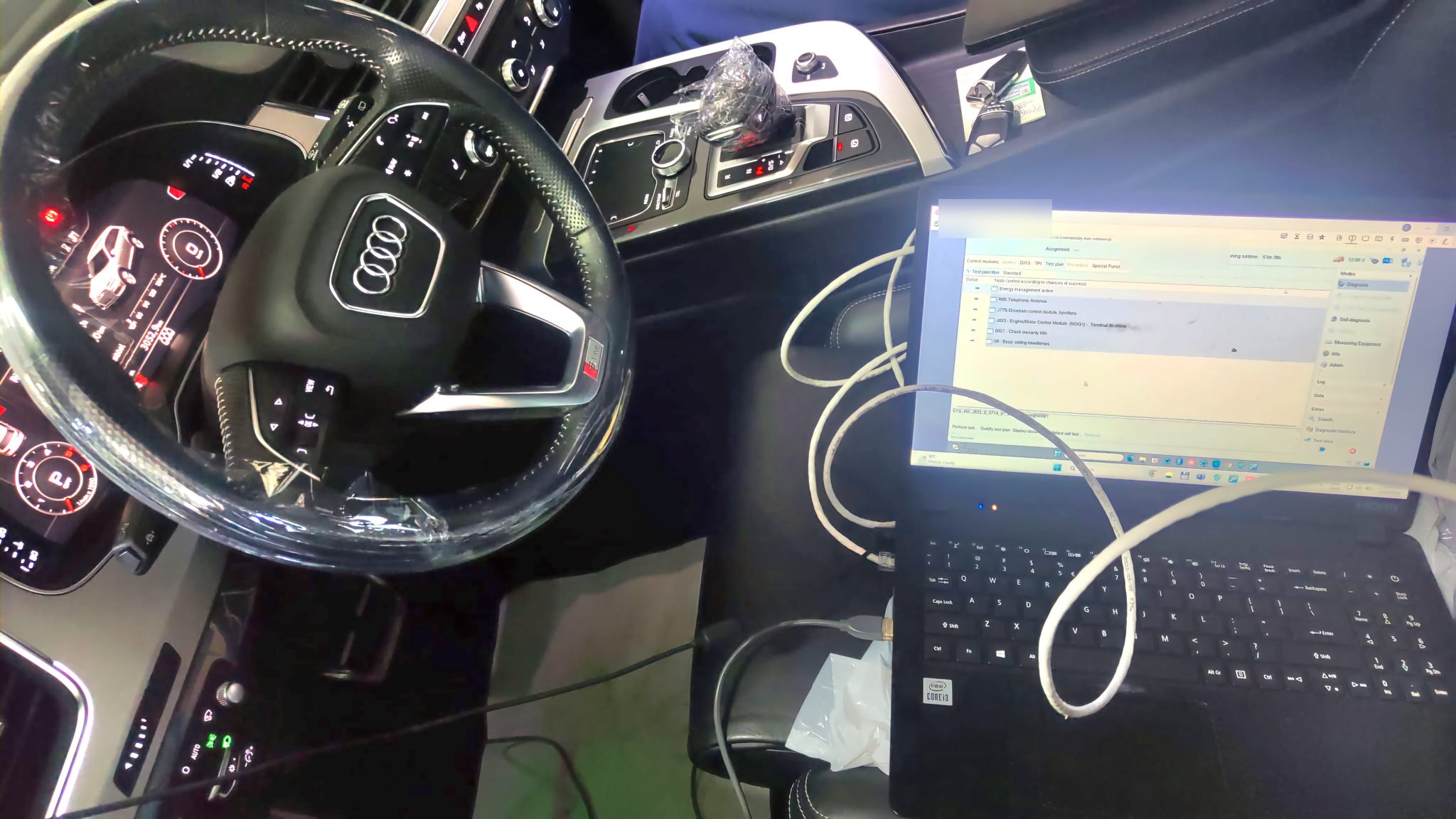
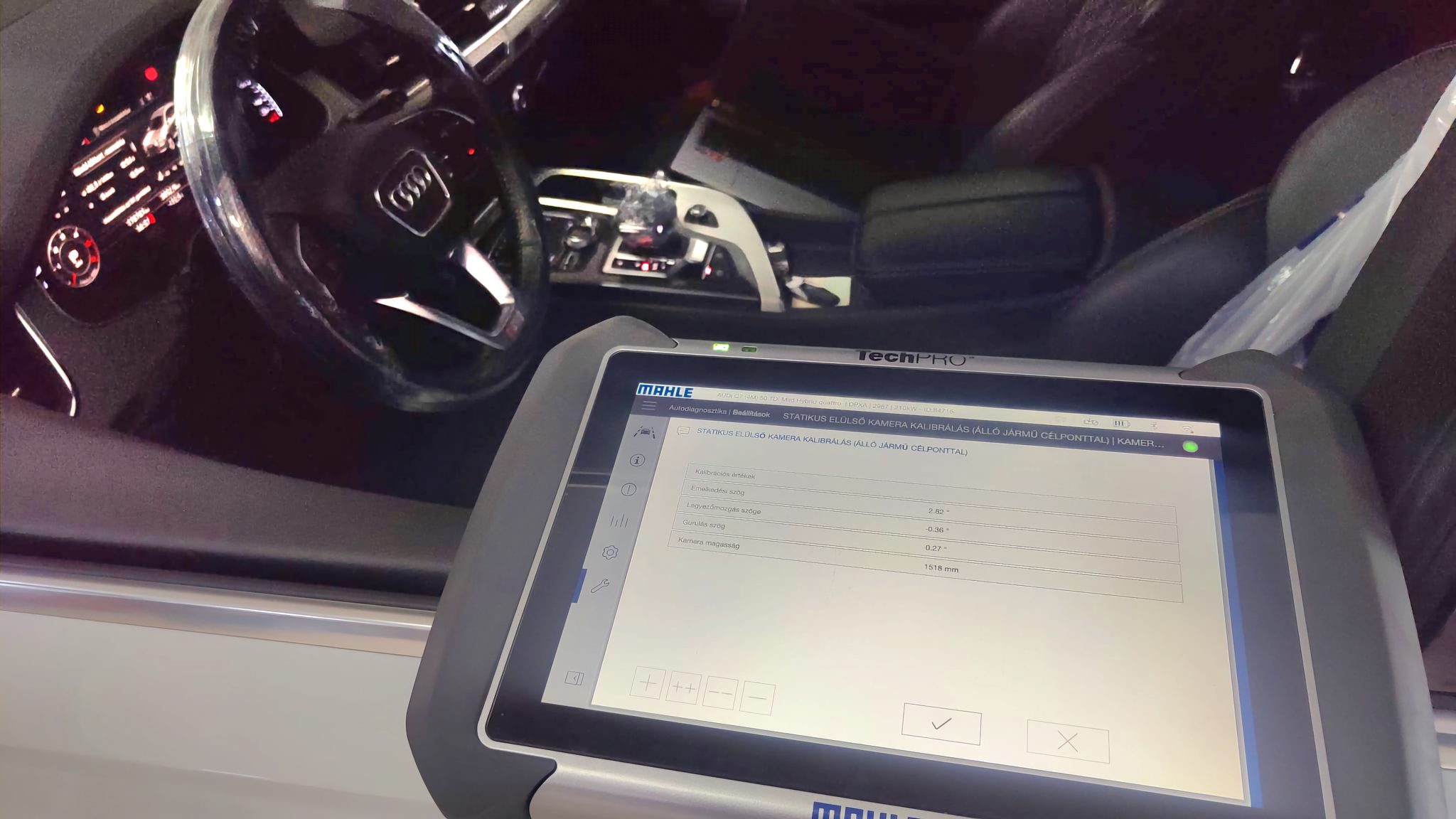
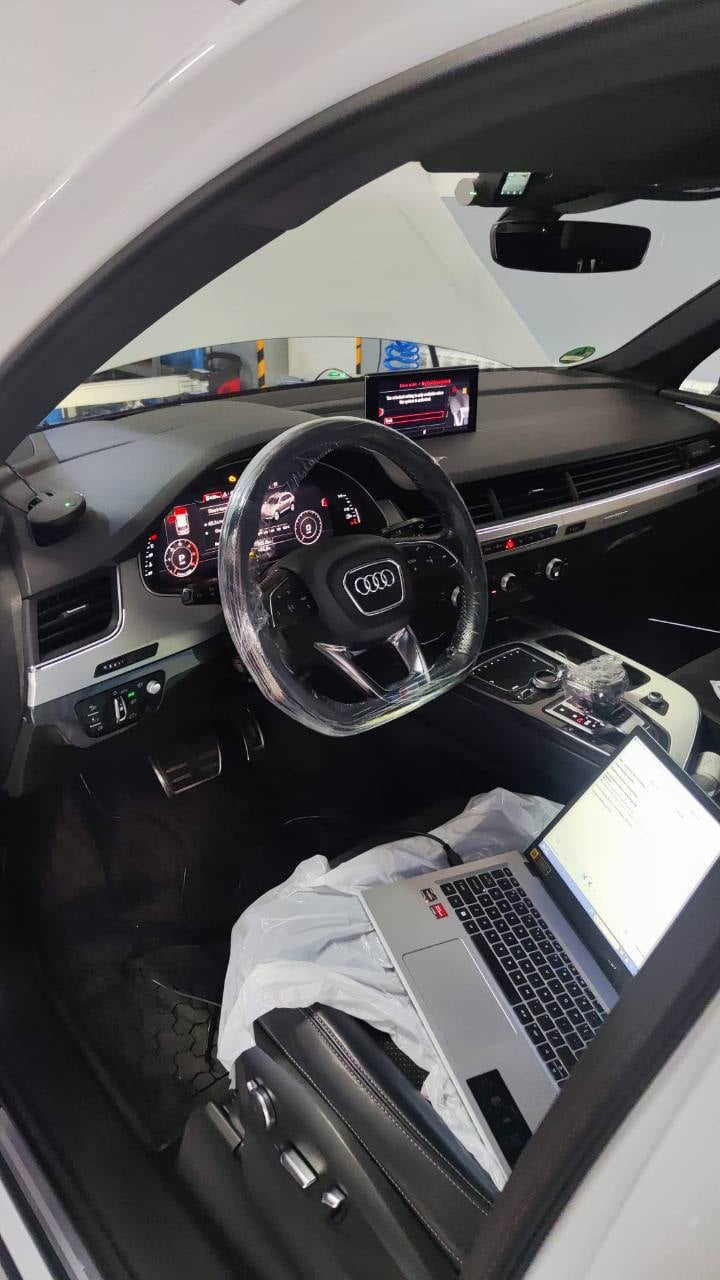
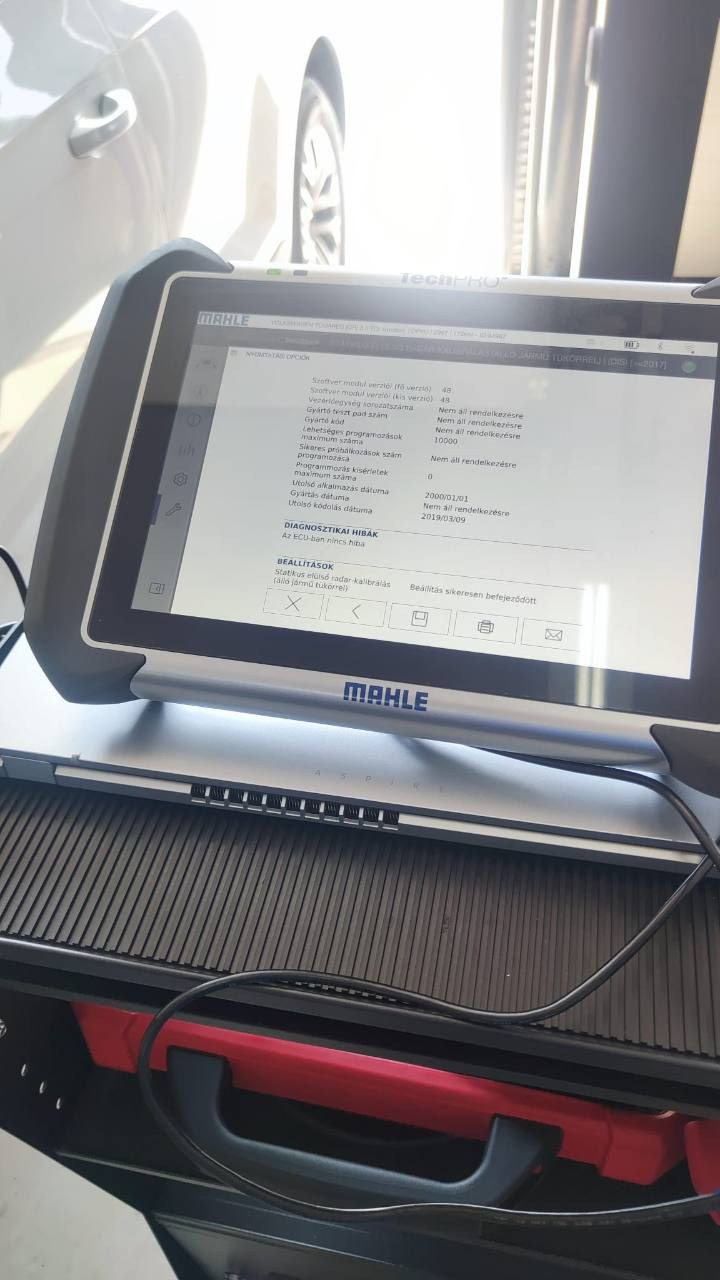
Diagnostics pieces together a vehicle’s story from symptoms, data and measurements. A fault code is an important starting point, rather than a ready-made parts order. The question is why it appeared and how it relates to what you experience while driving.
What does this include?
- Fault memory and history
- Comparing stored information with the symptoms you have noticed.
- Live data and operation
- Checking the values seen by control units and the responses of components.
- Relationships between systems
- Engine, transmission, brakes and assistance systems can share related data; the investigation follows the specific concern.
When is a check worth considering?
- When warnings recur or a fault only appears intermittently.
- When vehicle behaviour changes without an obvious cause.
- After an unsuccessful repair, taking previous work and findings into account.
Our approach in the workshop
We start by listening
When and under what conditions does it happen? Previous repairs matter too.
We compare data and measurements
Alongside the code, we investigate circumstances and possible underlying causes.
We explain the next step
We tell you what we found and which further checks or repairs we recommend.
Questions we often hear
Is clearing a fault code a repair?
Clearing a warning does not by itself remove its cause. The result of a repair needs separate verification.
What should I tell you or bring along?
The exact warning, the circumstances in which it appears and details of earlier work. These can be especially useful for an intermittent fault.
The exact work depends on the vehicle model, equipment, condition and manufacturer procedure. We agree the scope and price of the inspection in advance.