
Did you know? · NVS insights
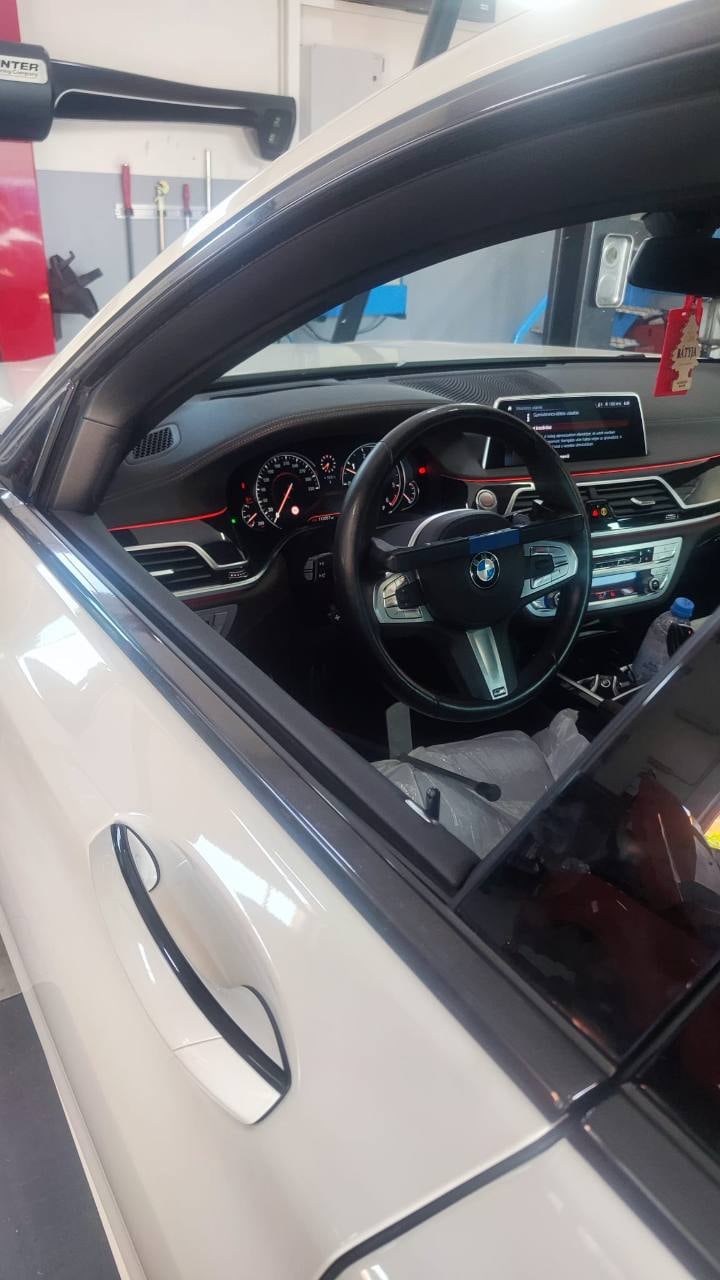
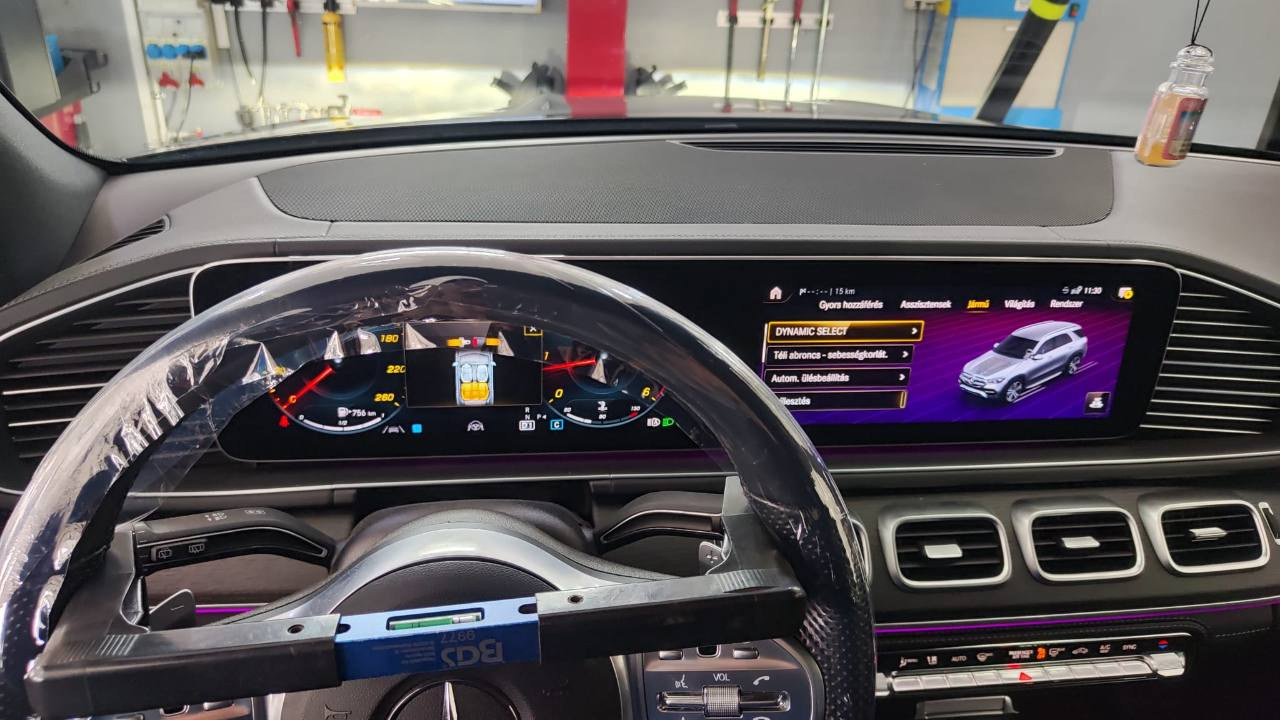
A straight steering wheel – does that prove the alignment is correct?
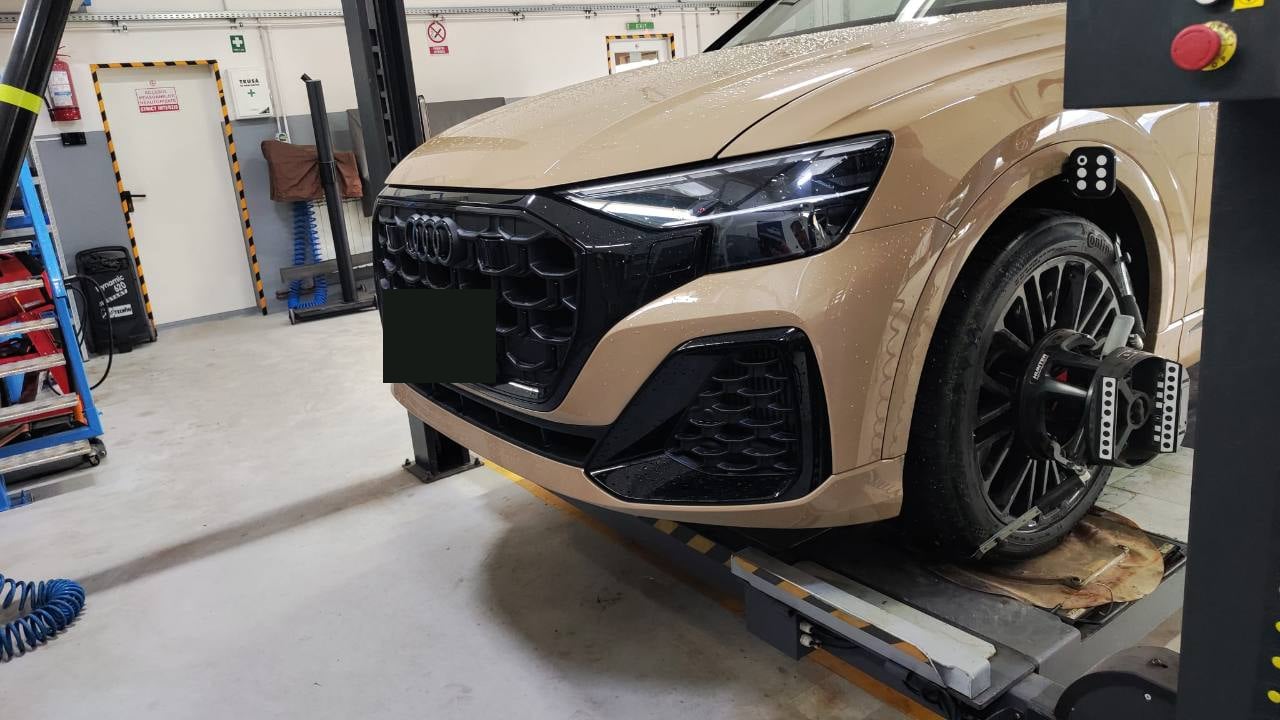
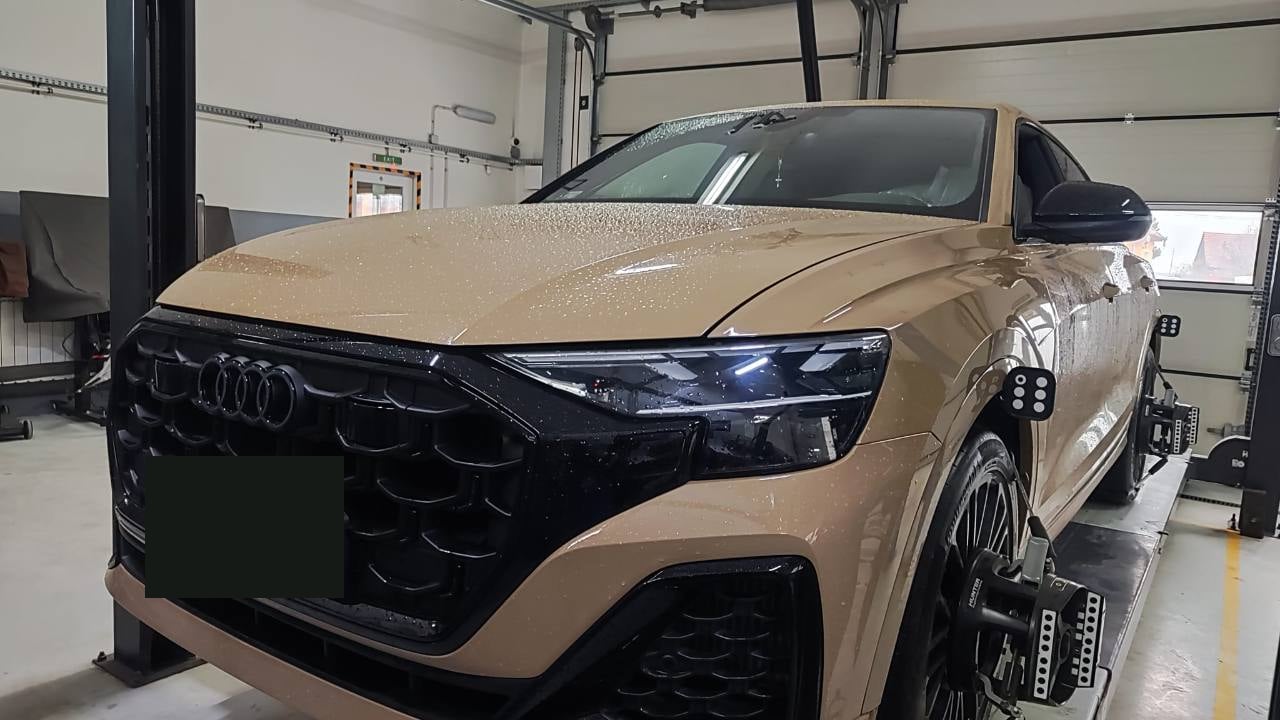
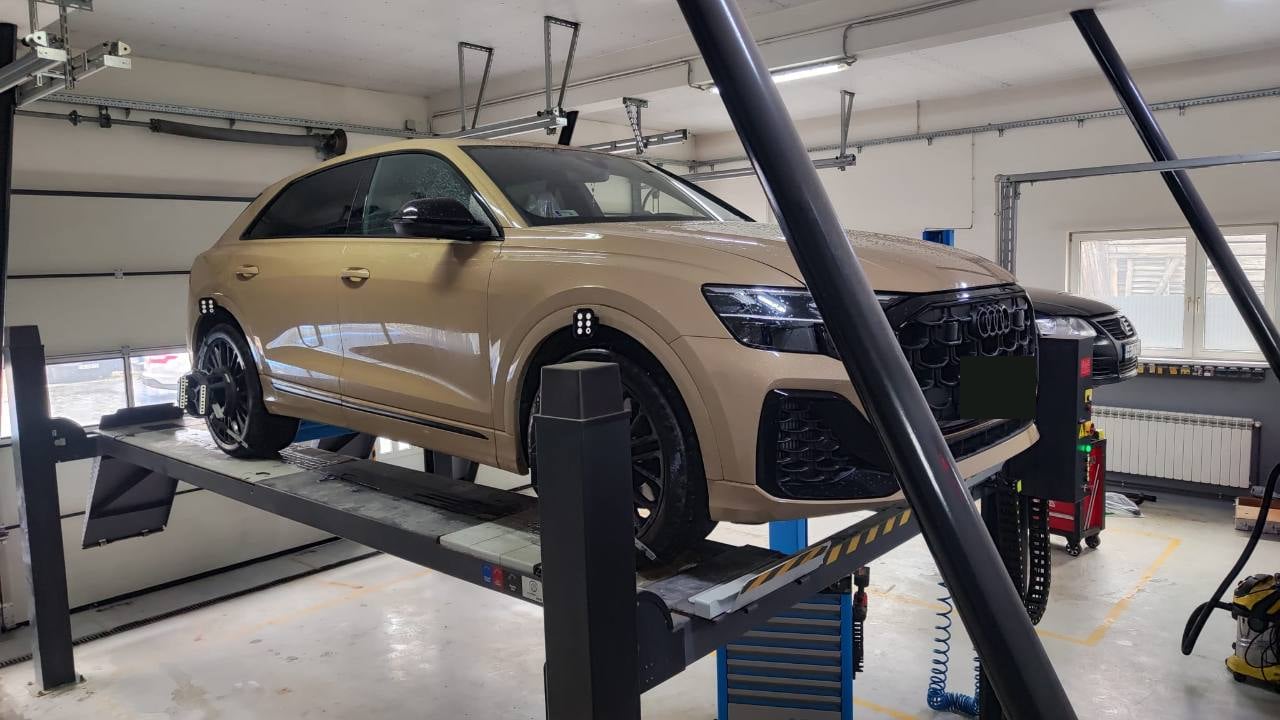
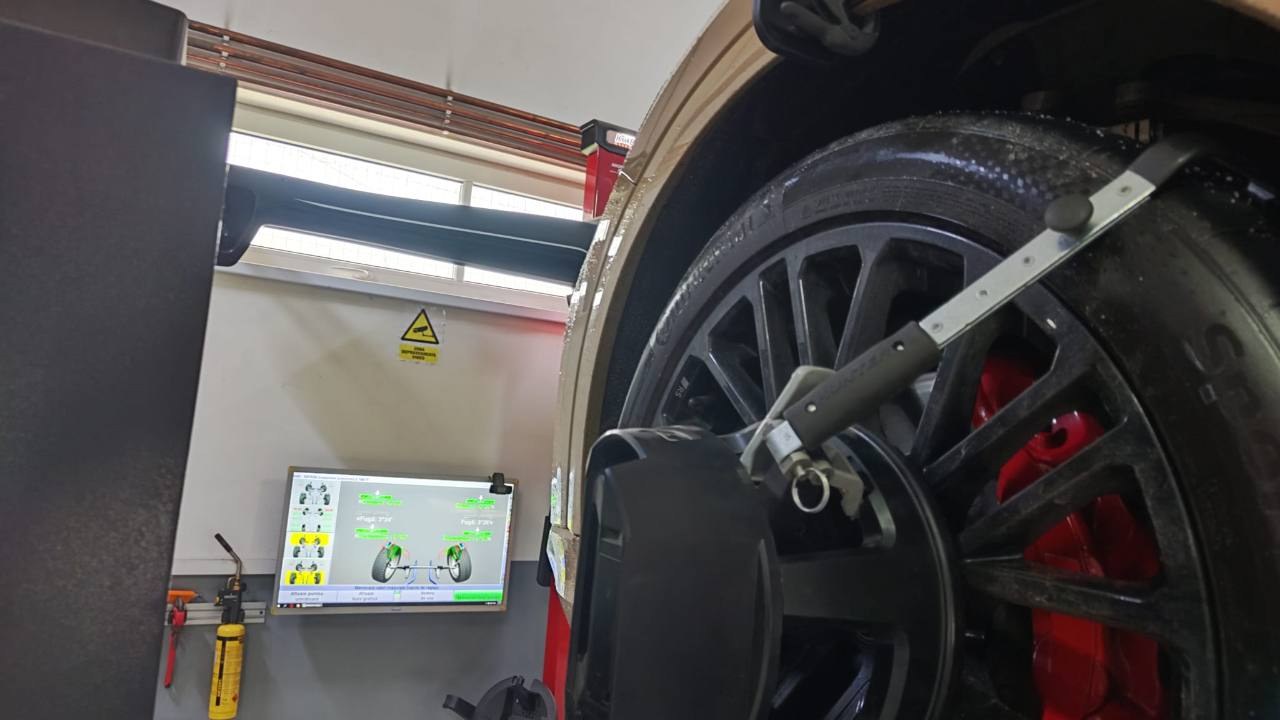
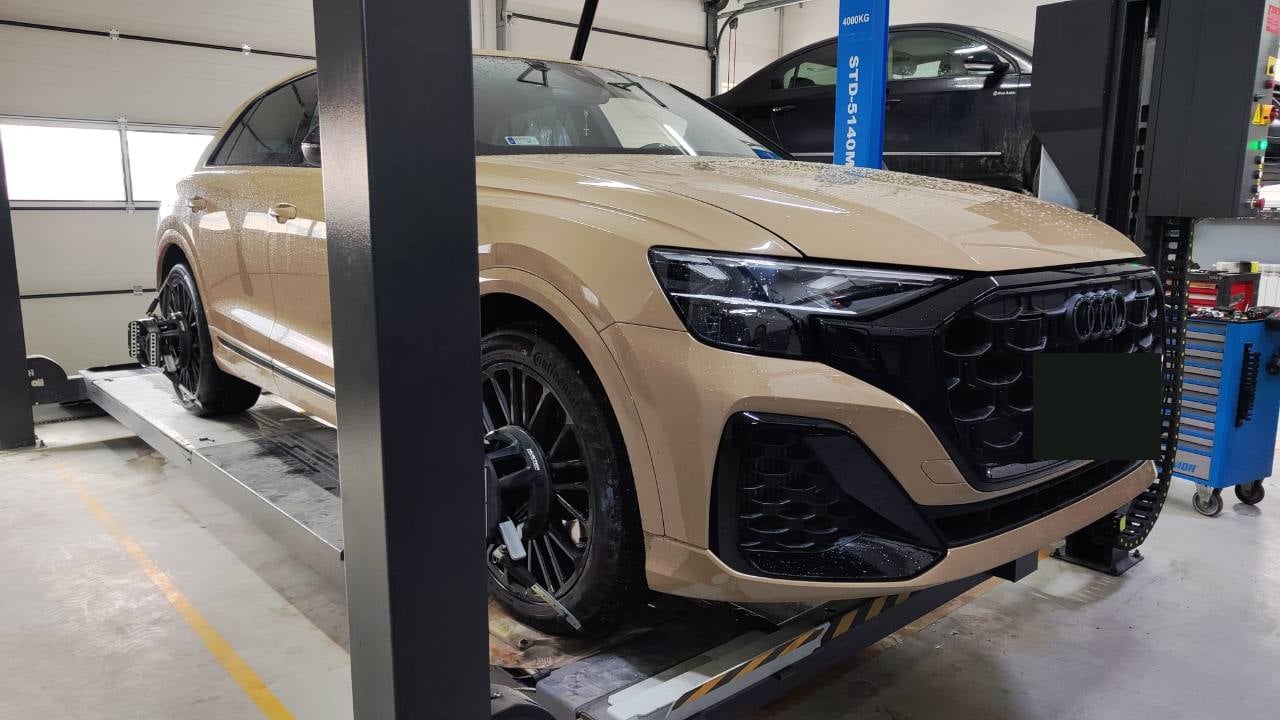
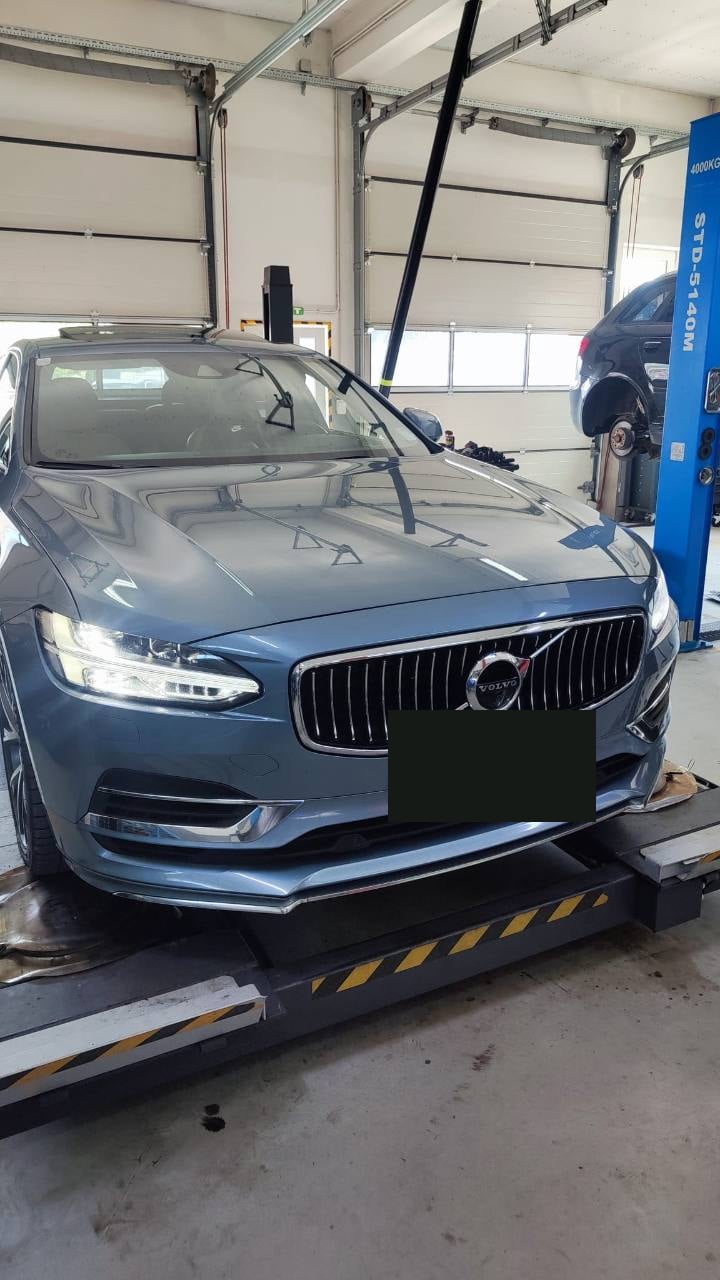
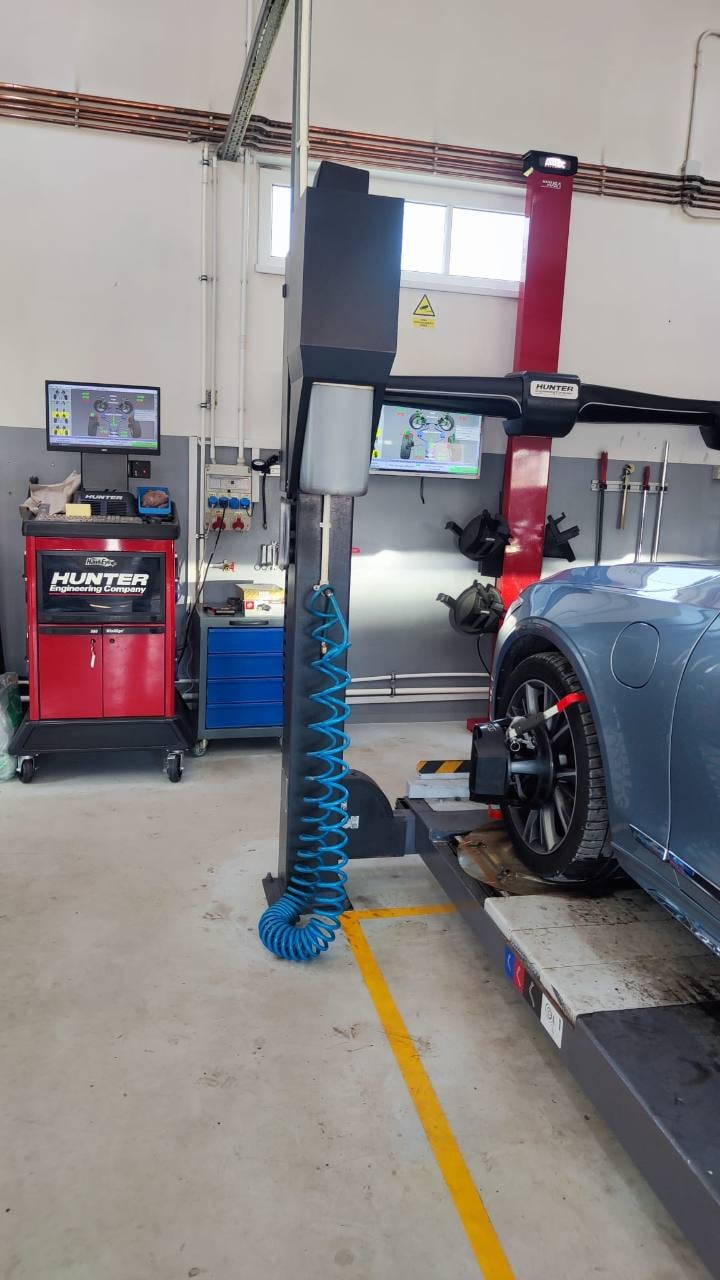
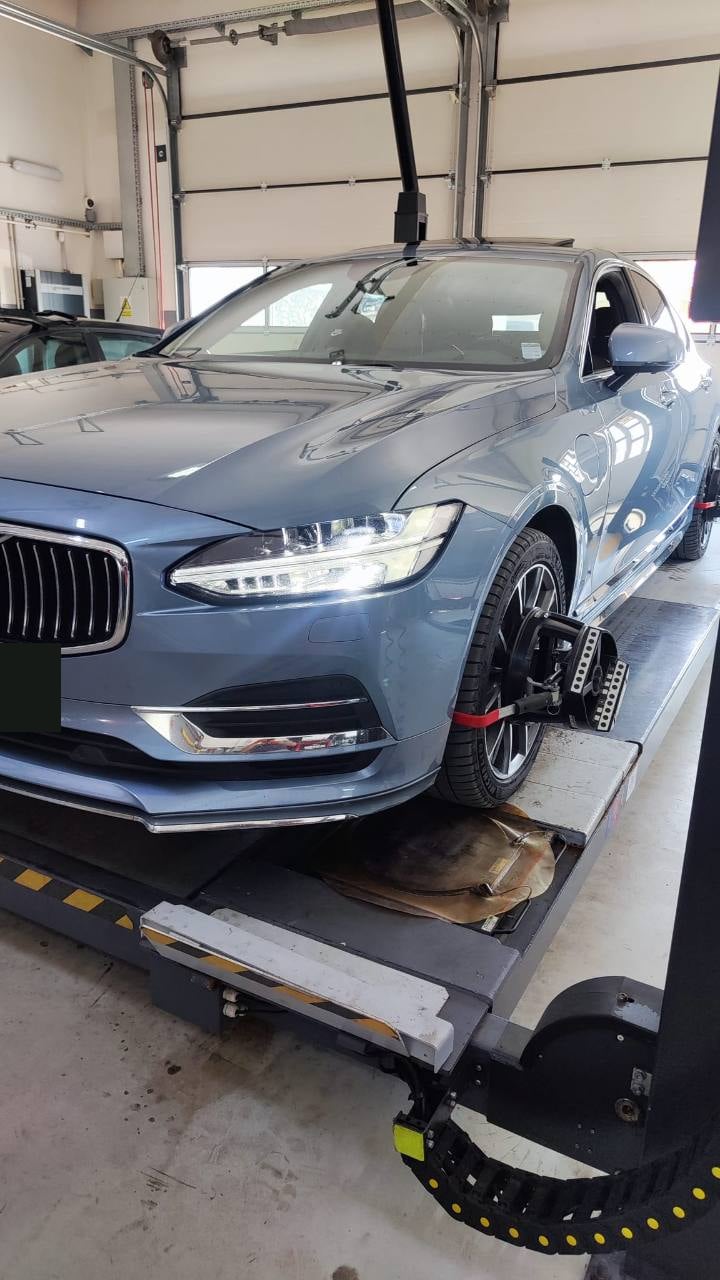
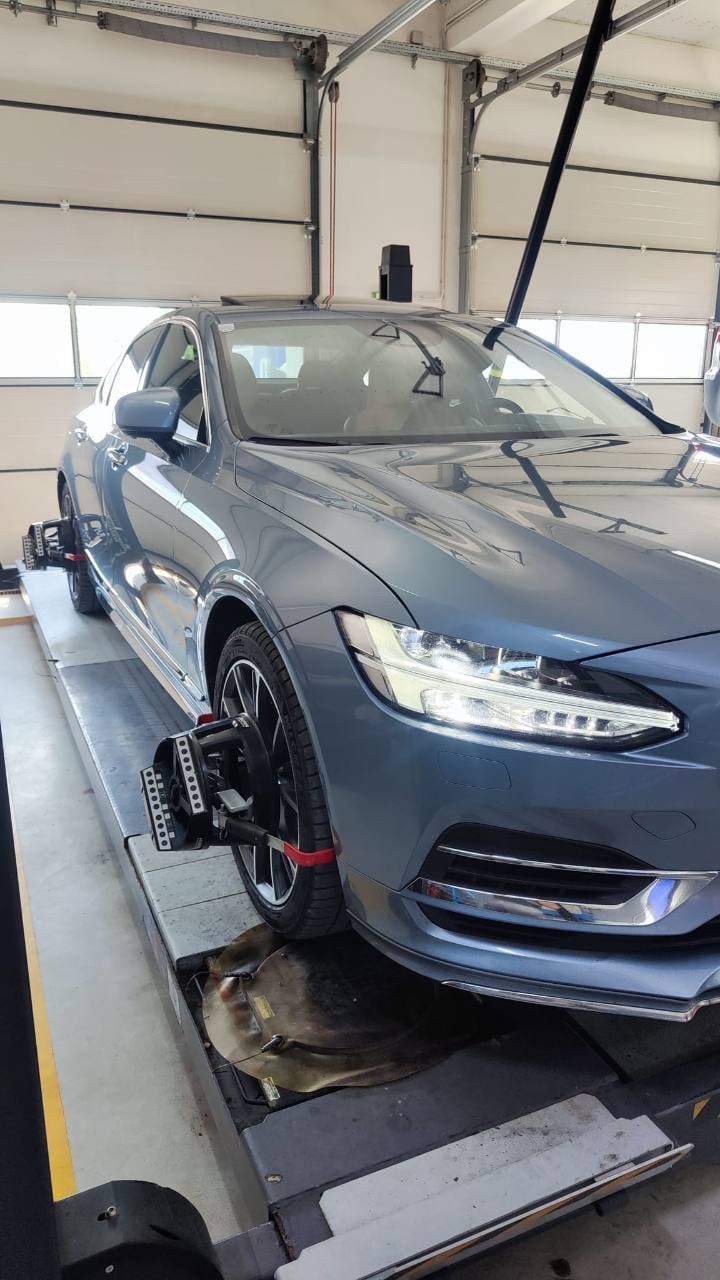
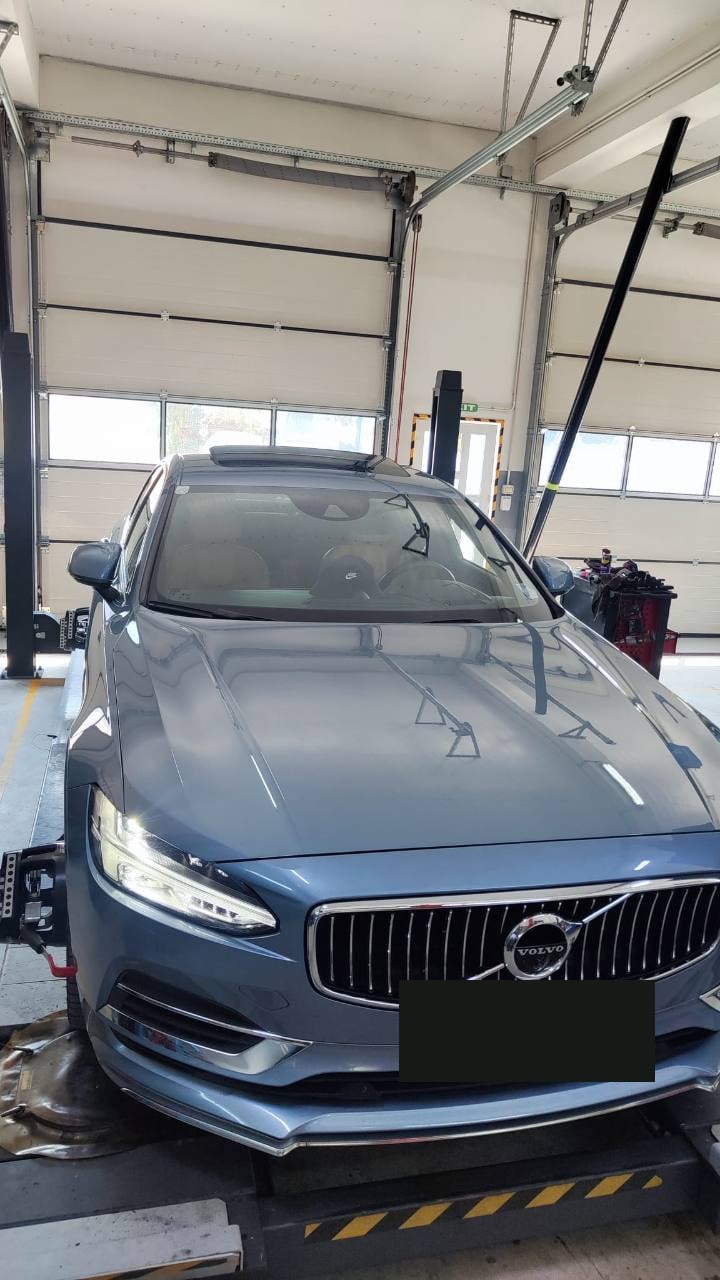
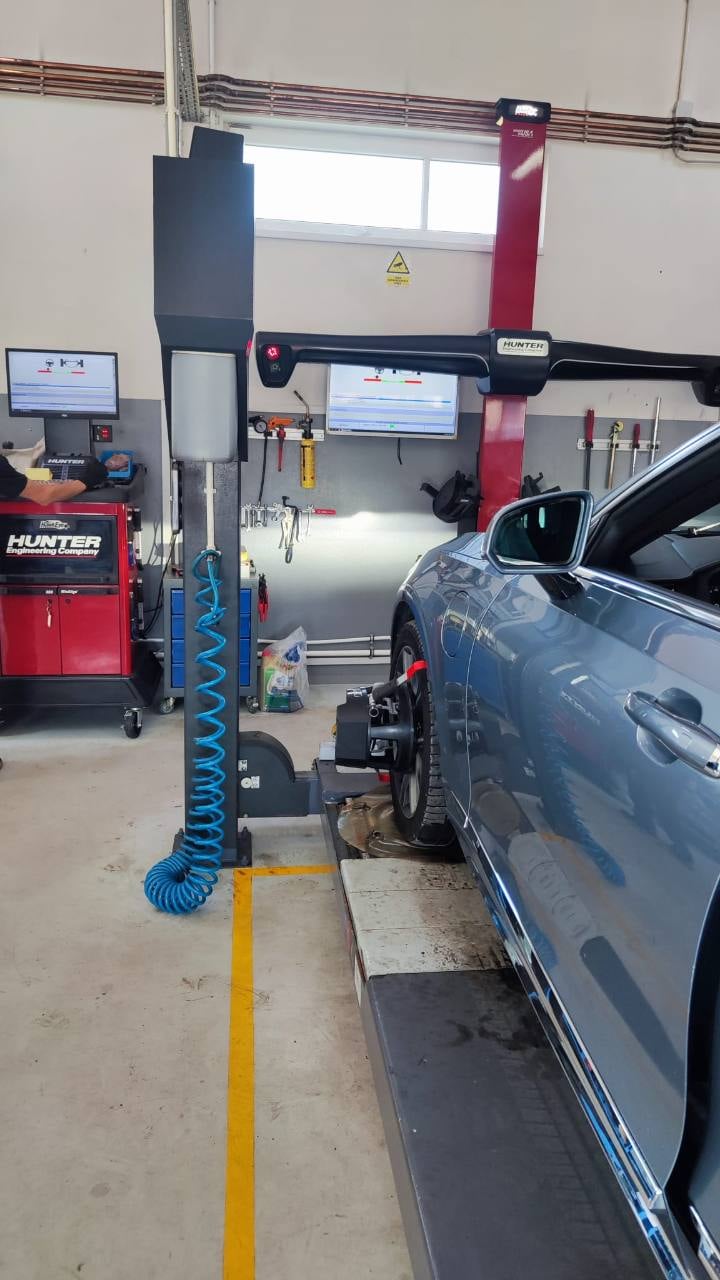
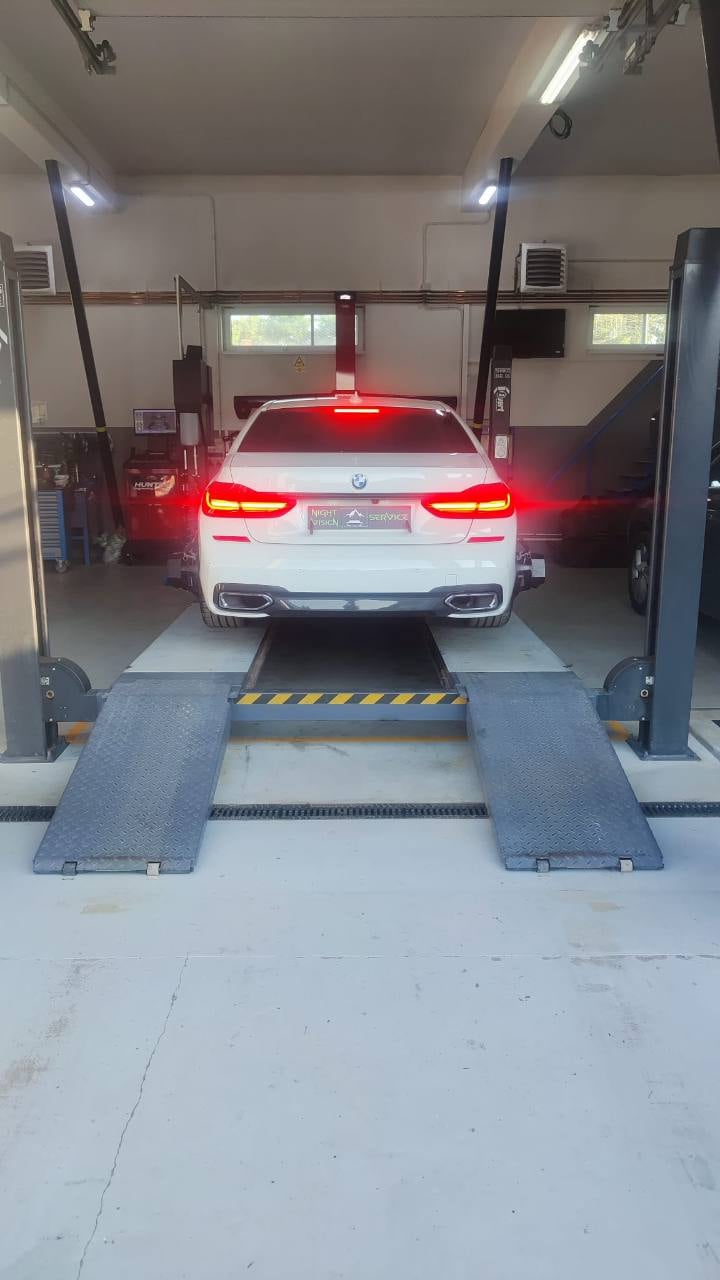
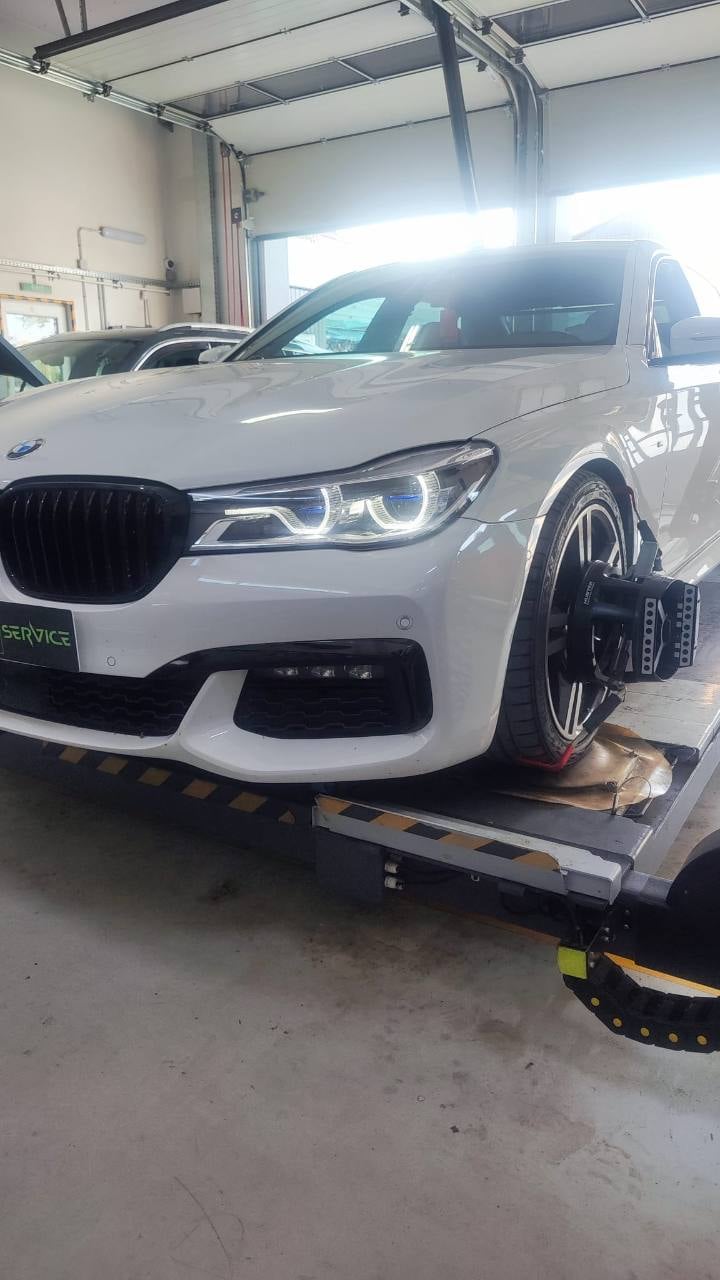
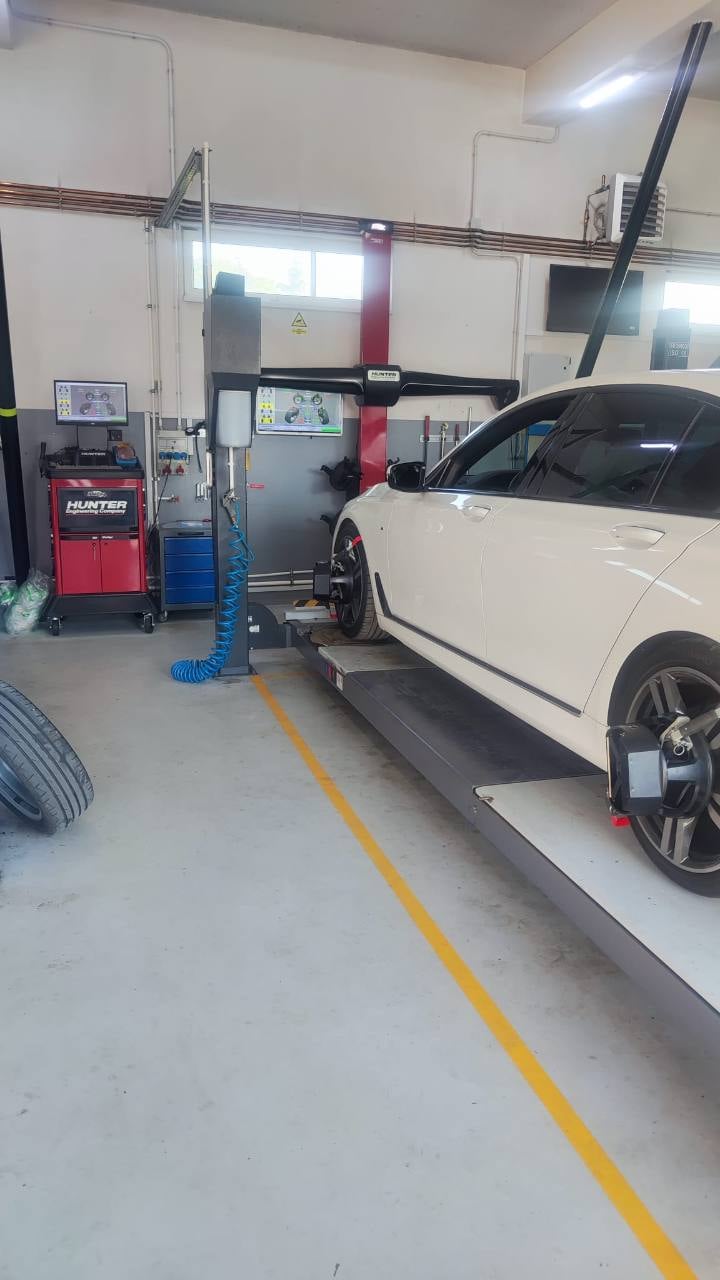
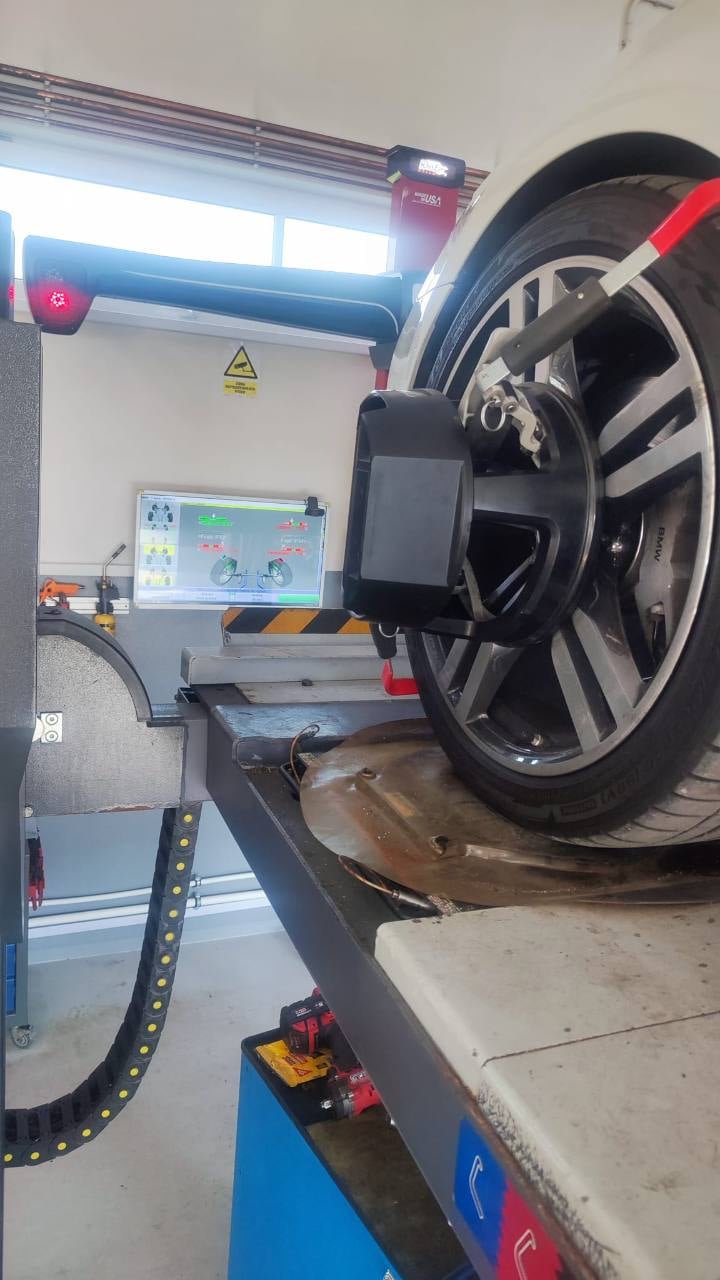
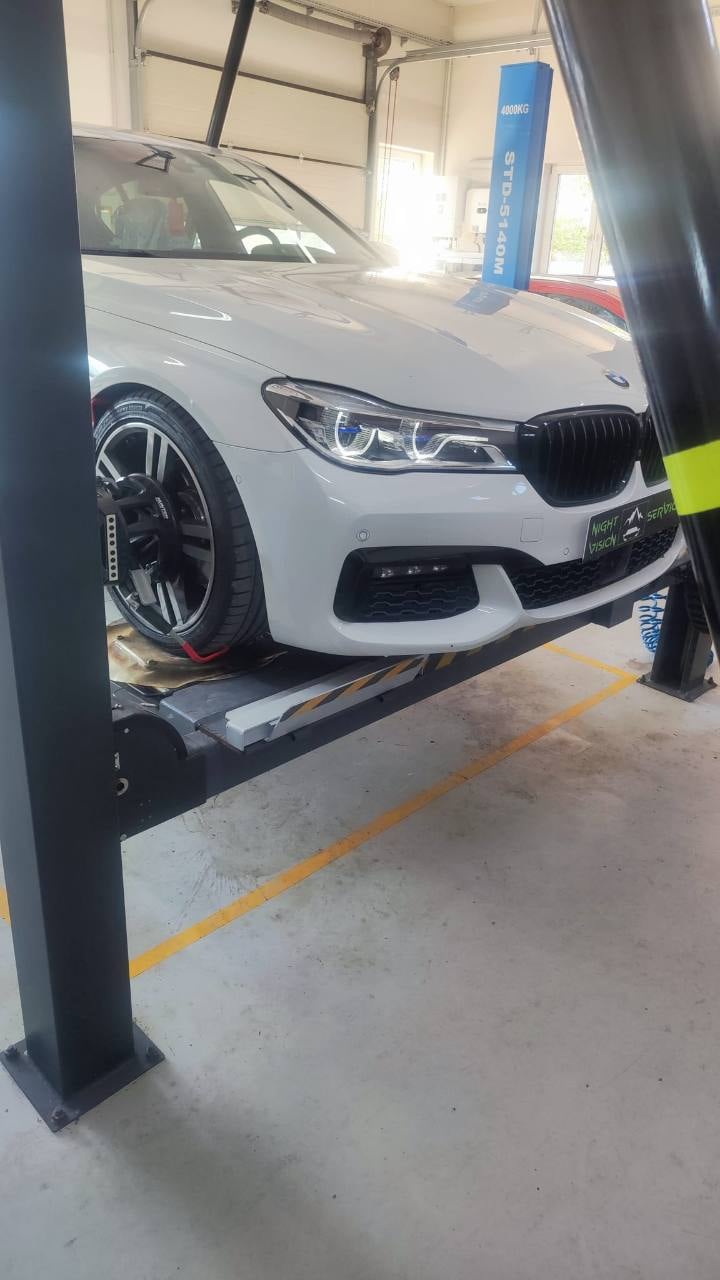
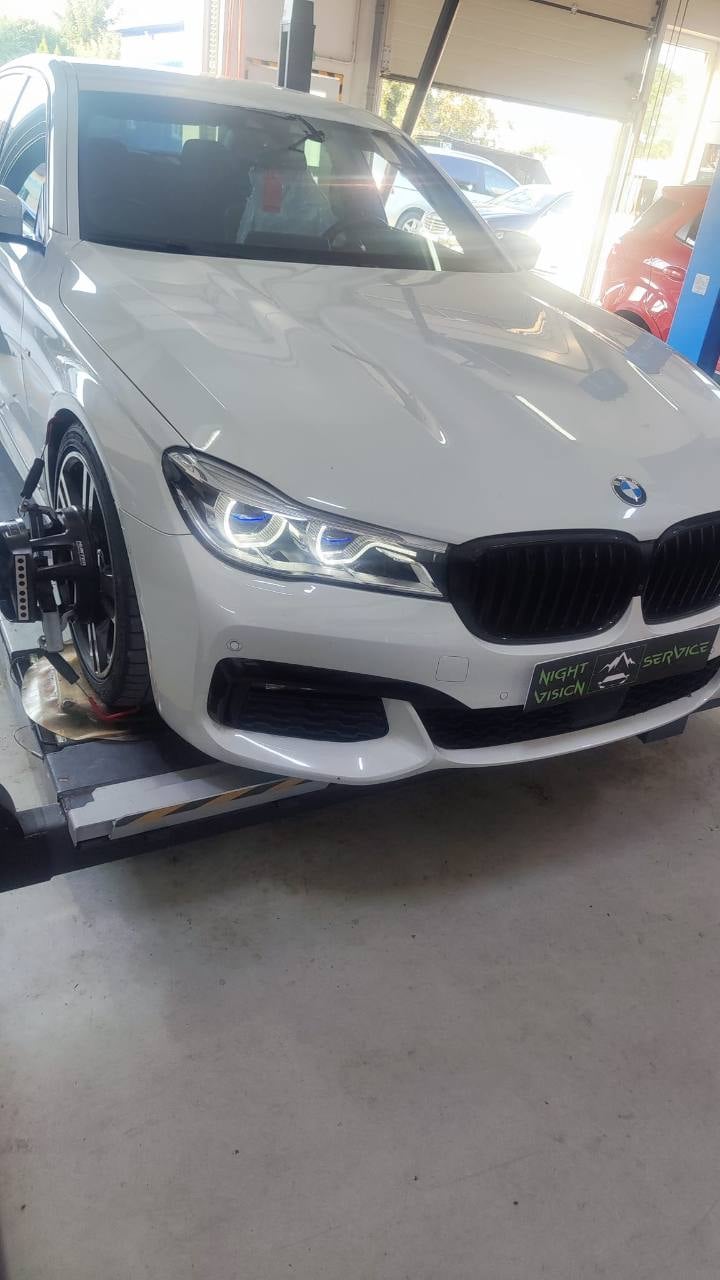
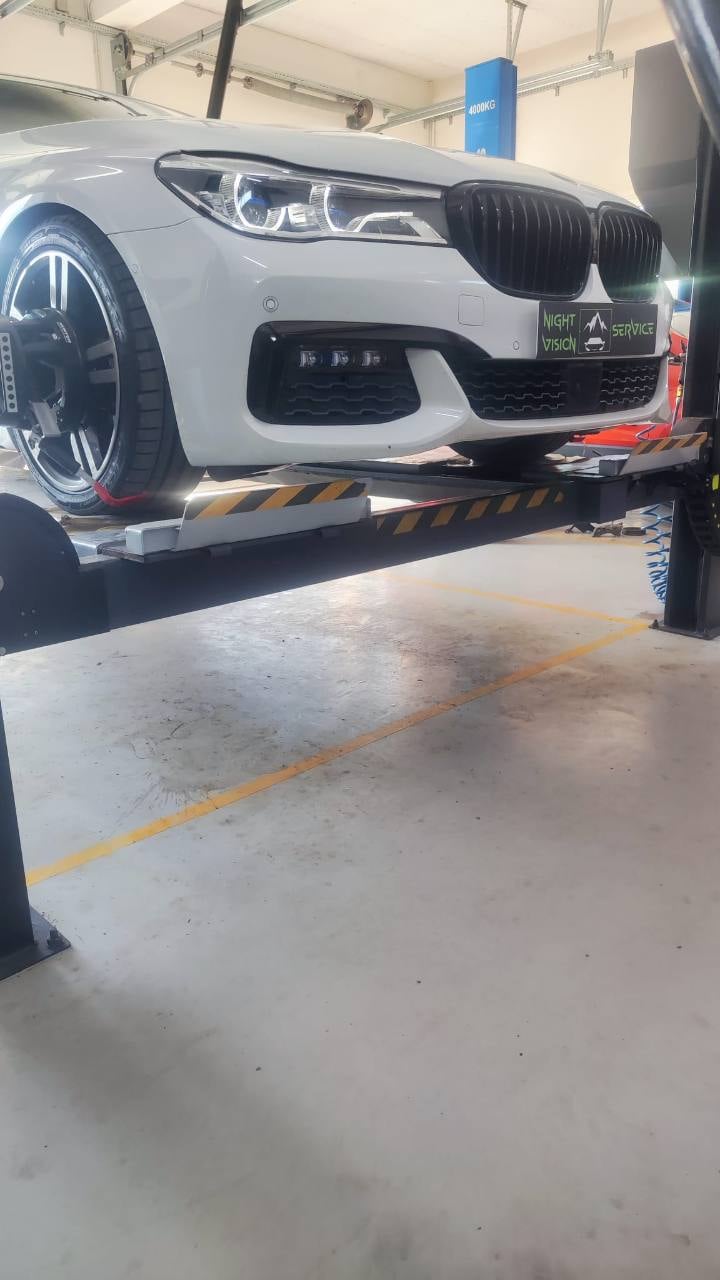
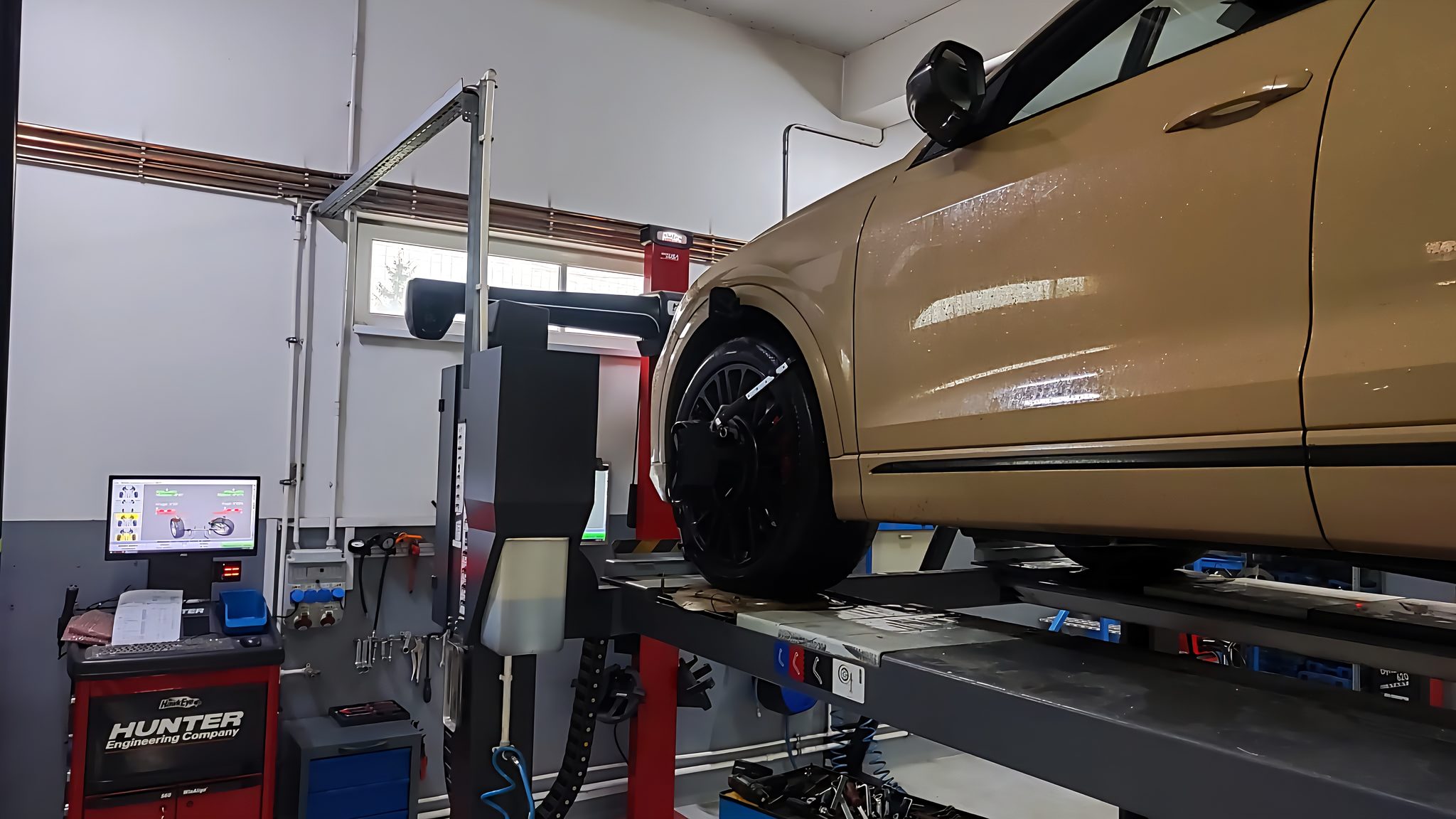
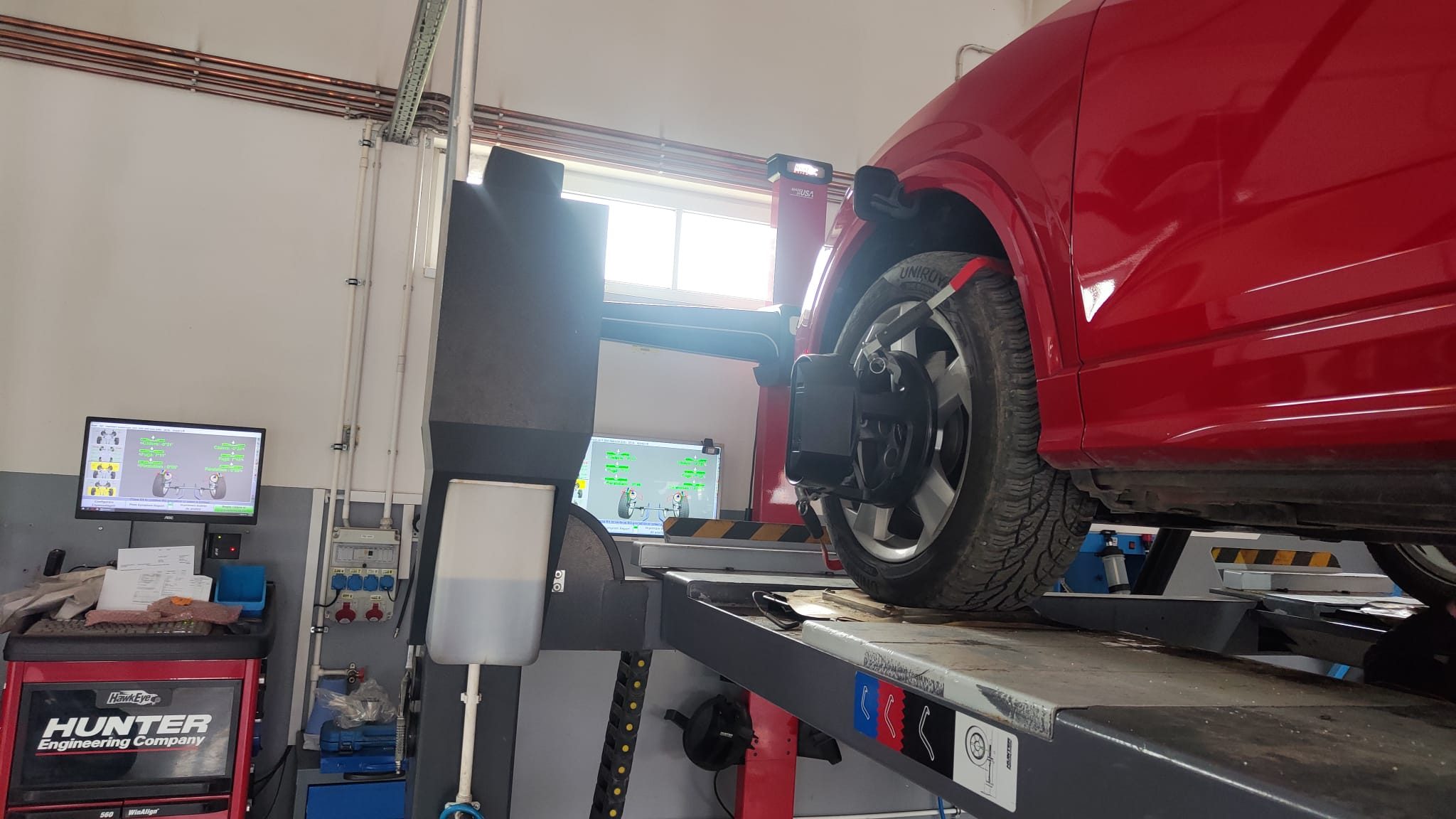
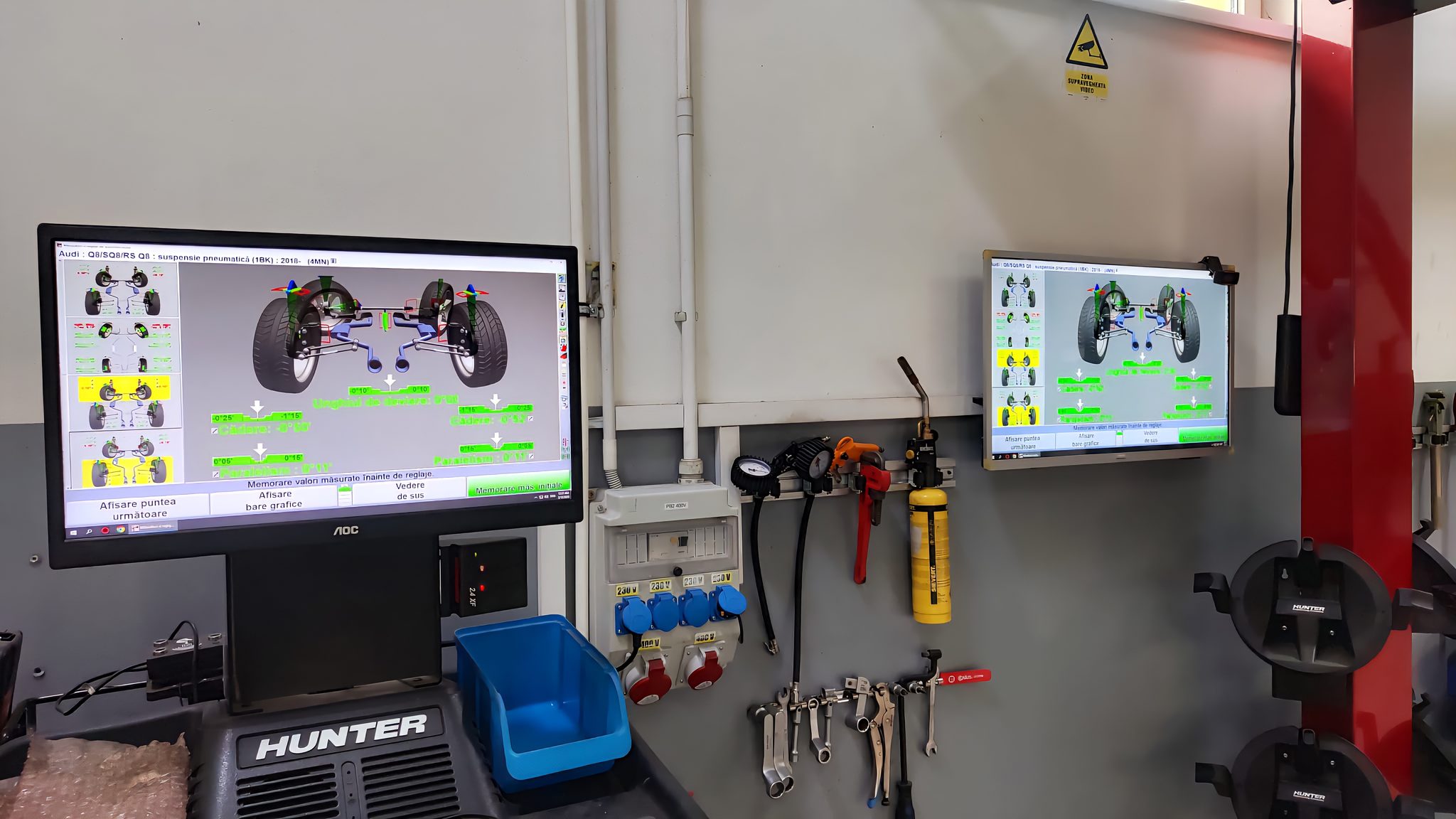
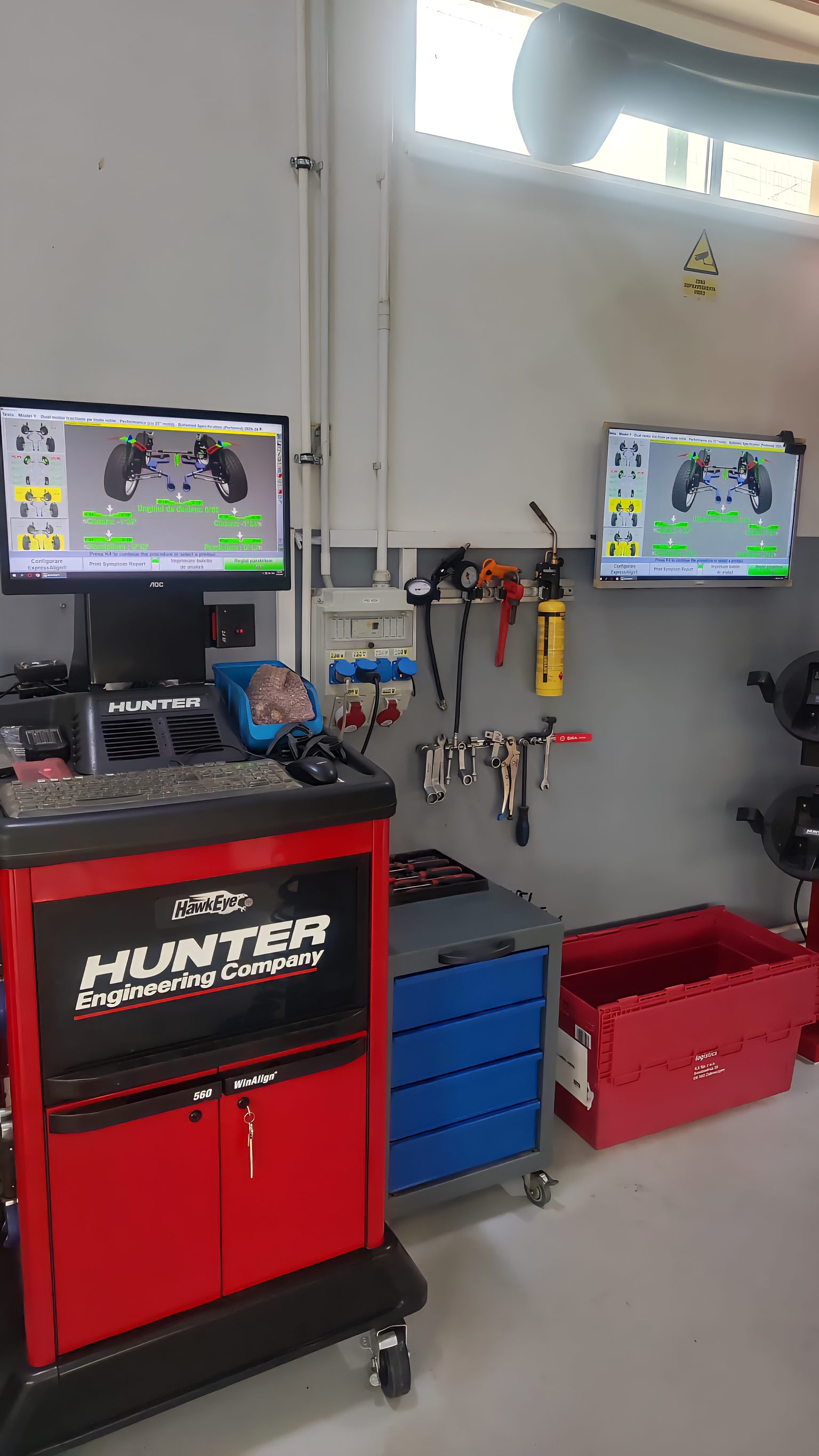
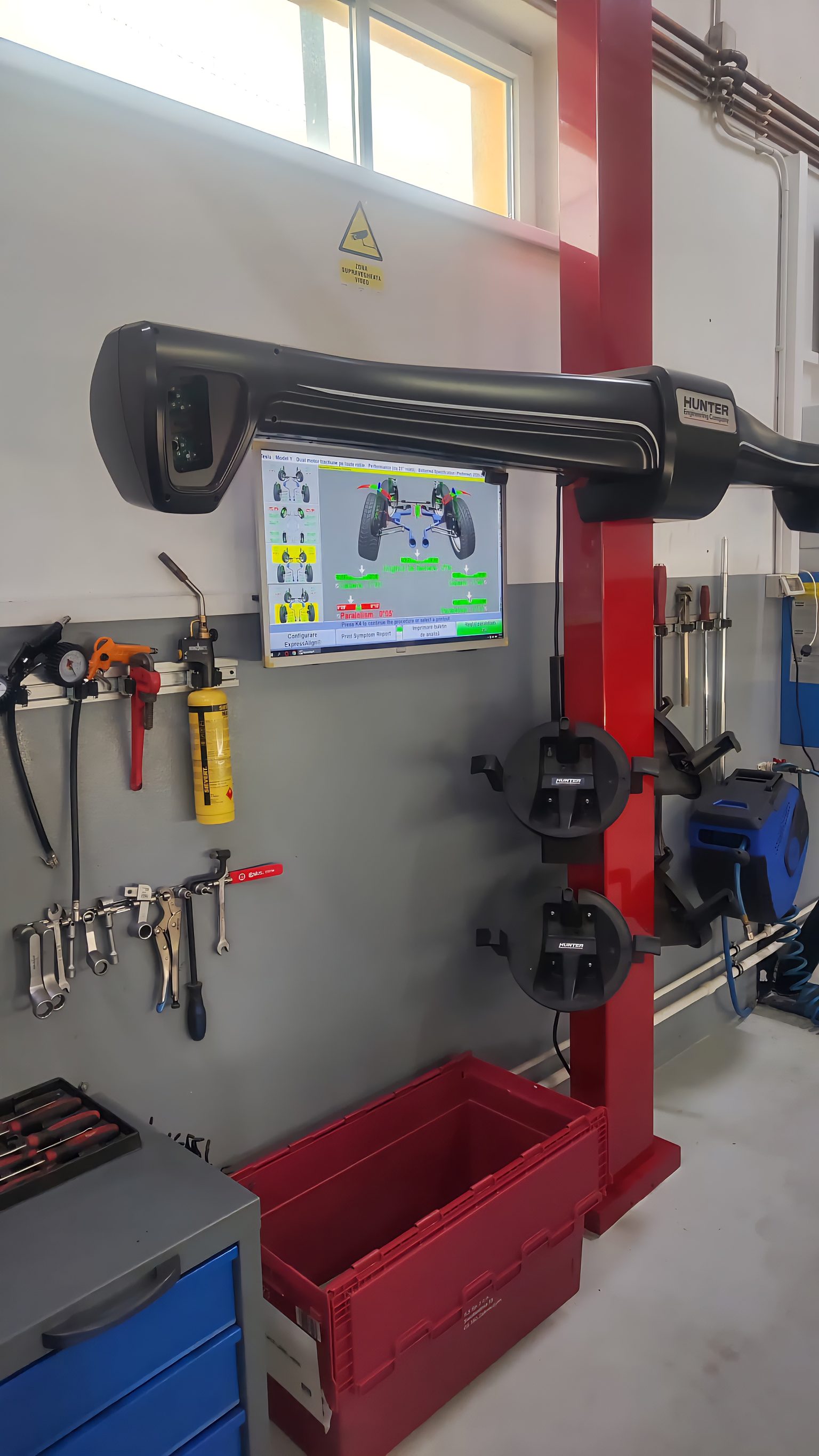
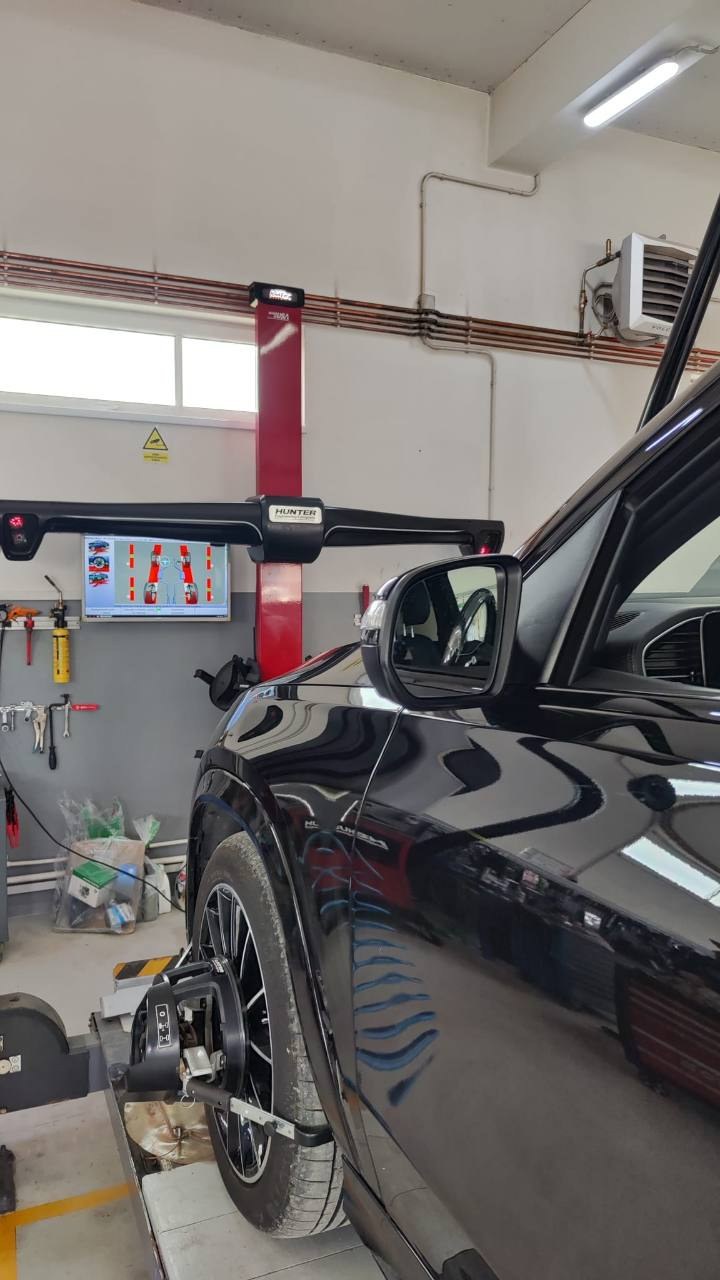
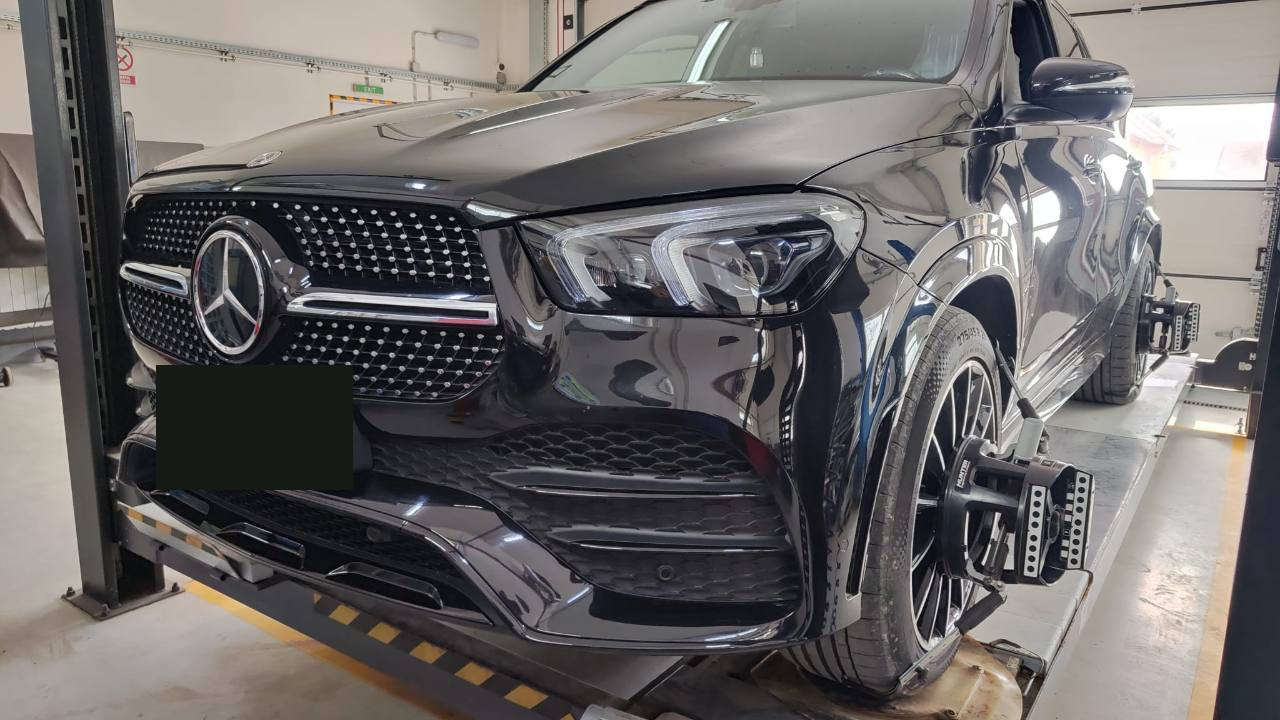
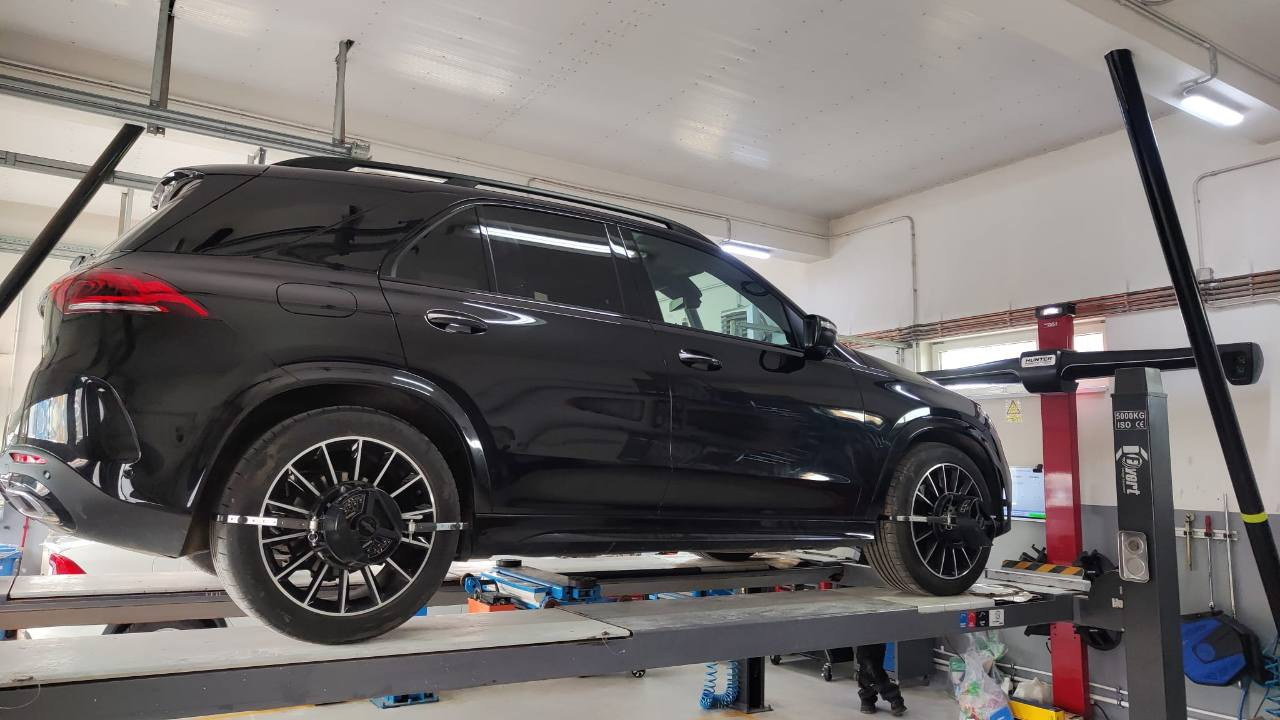
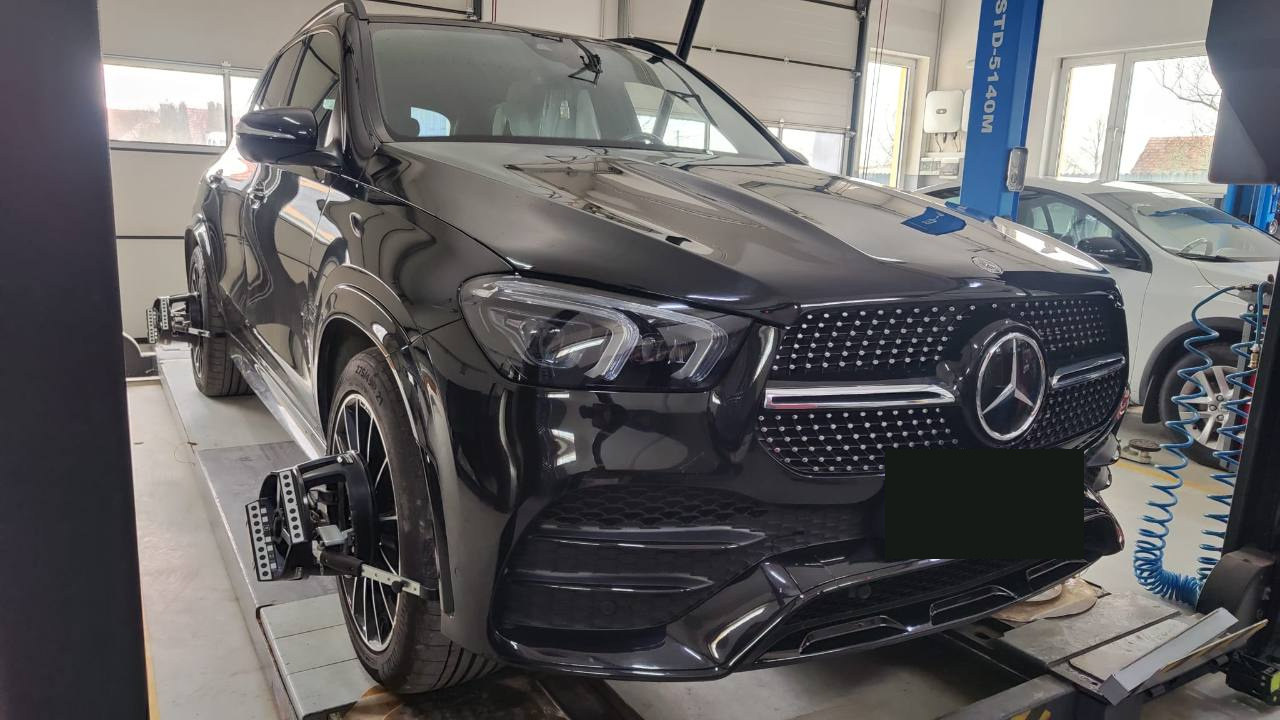
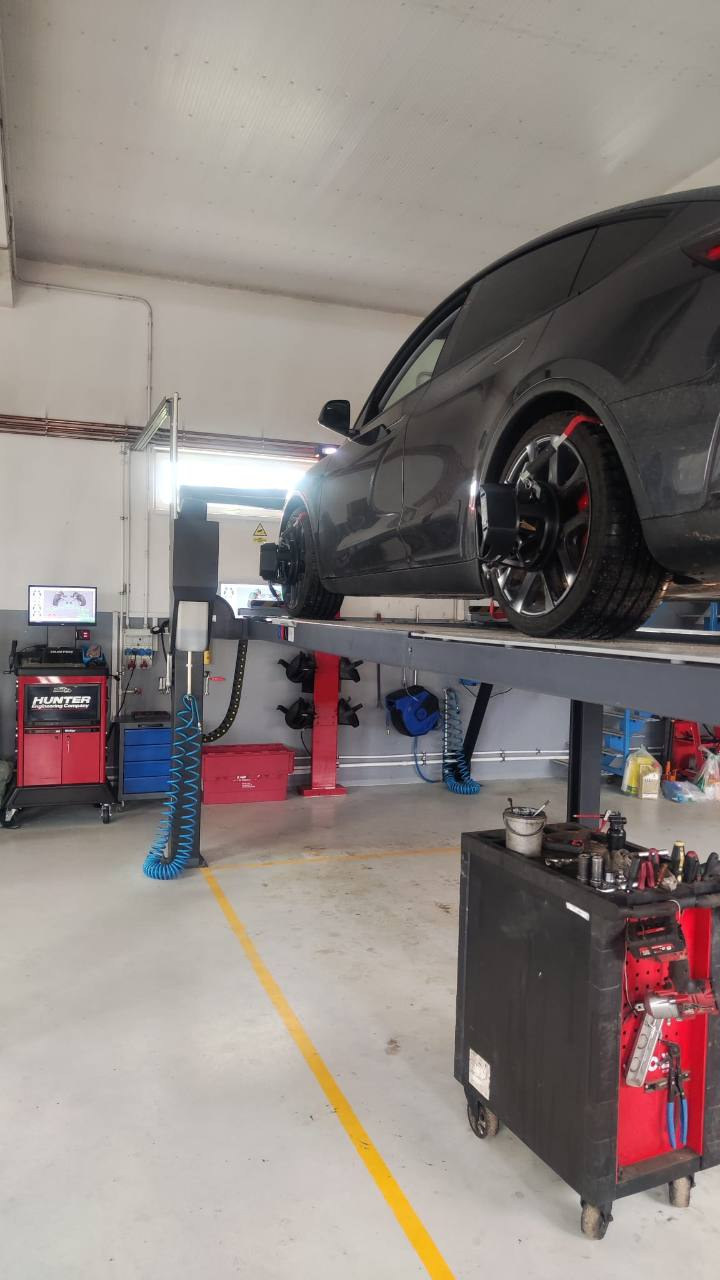
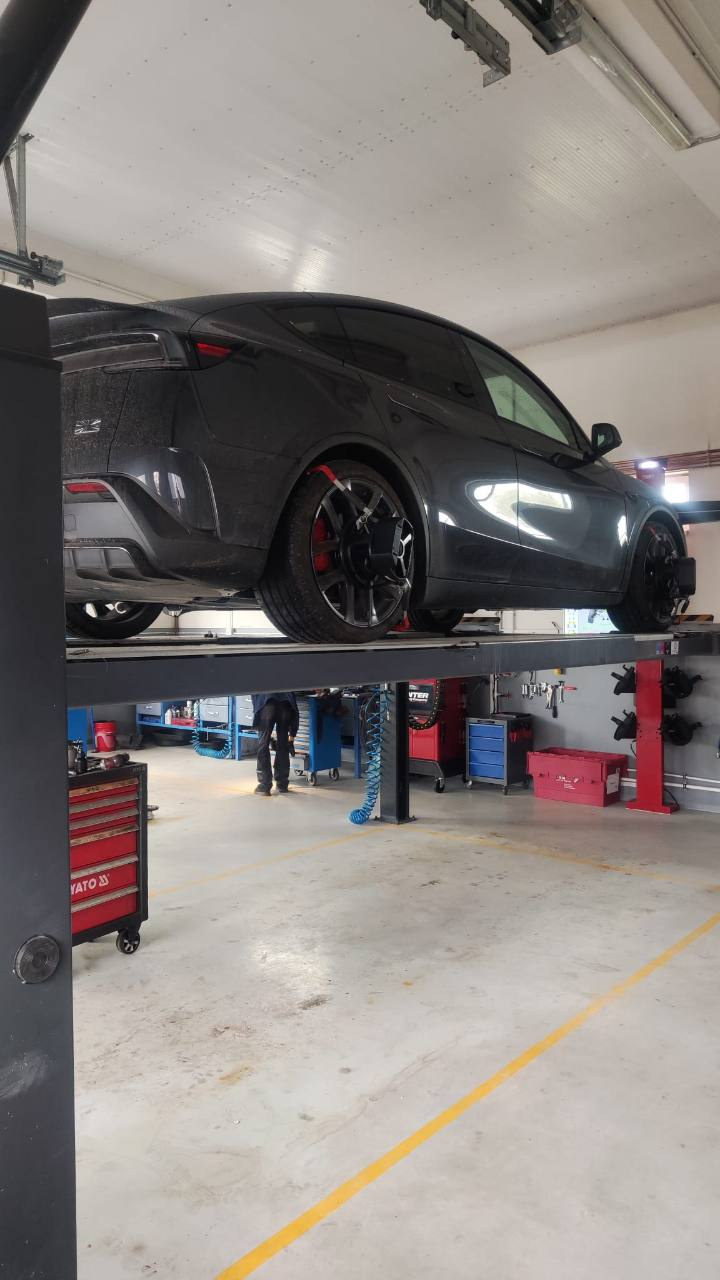
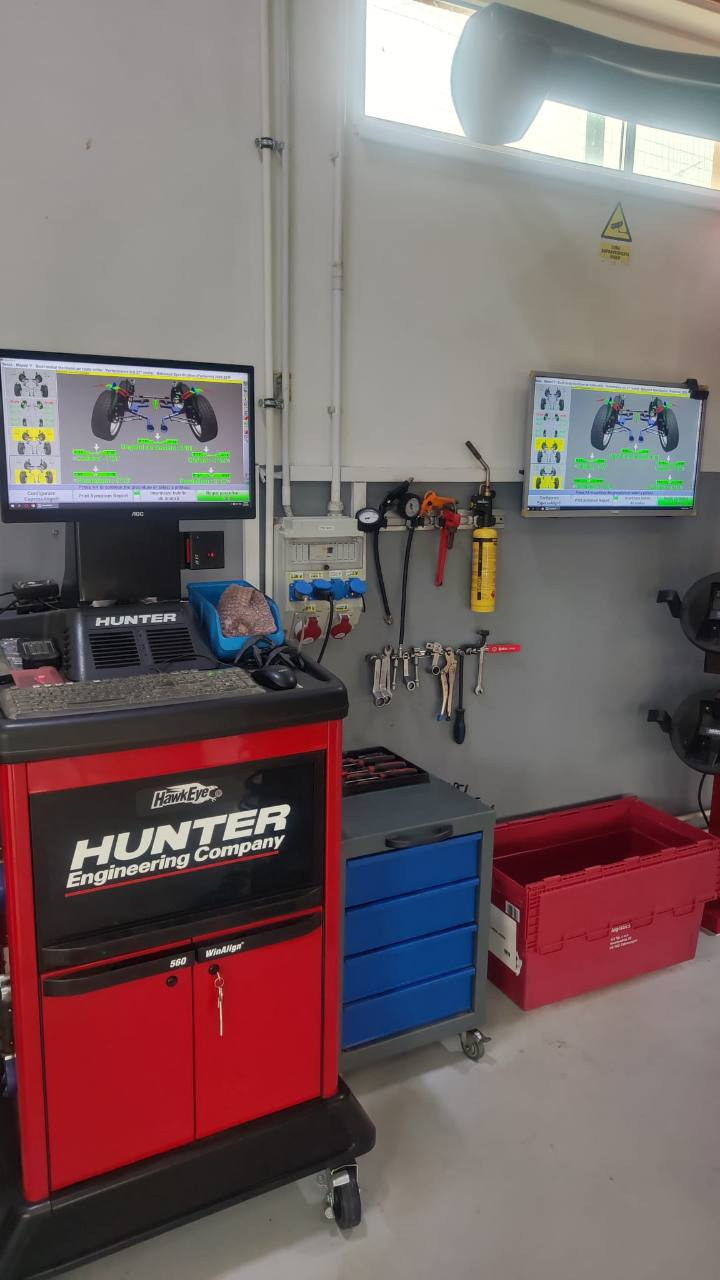
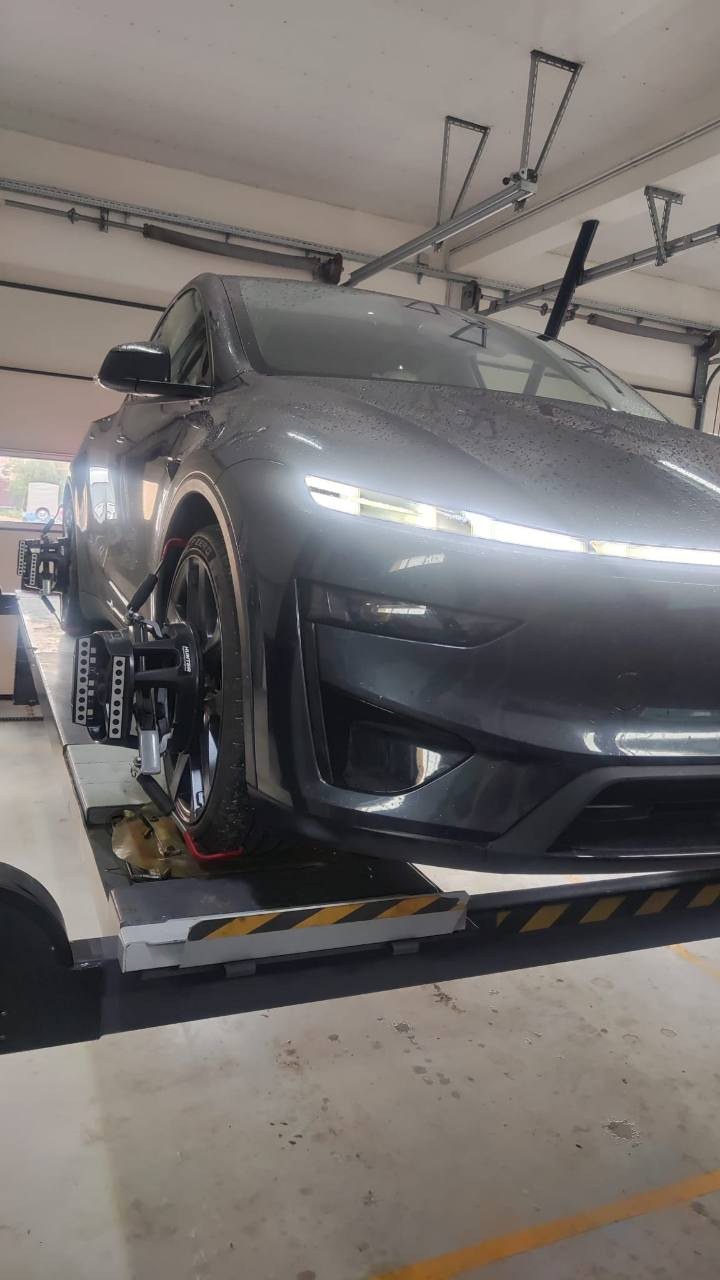
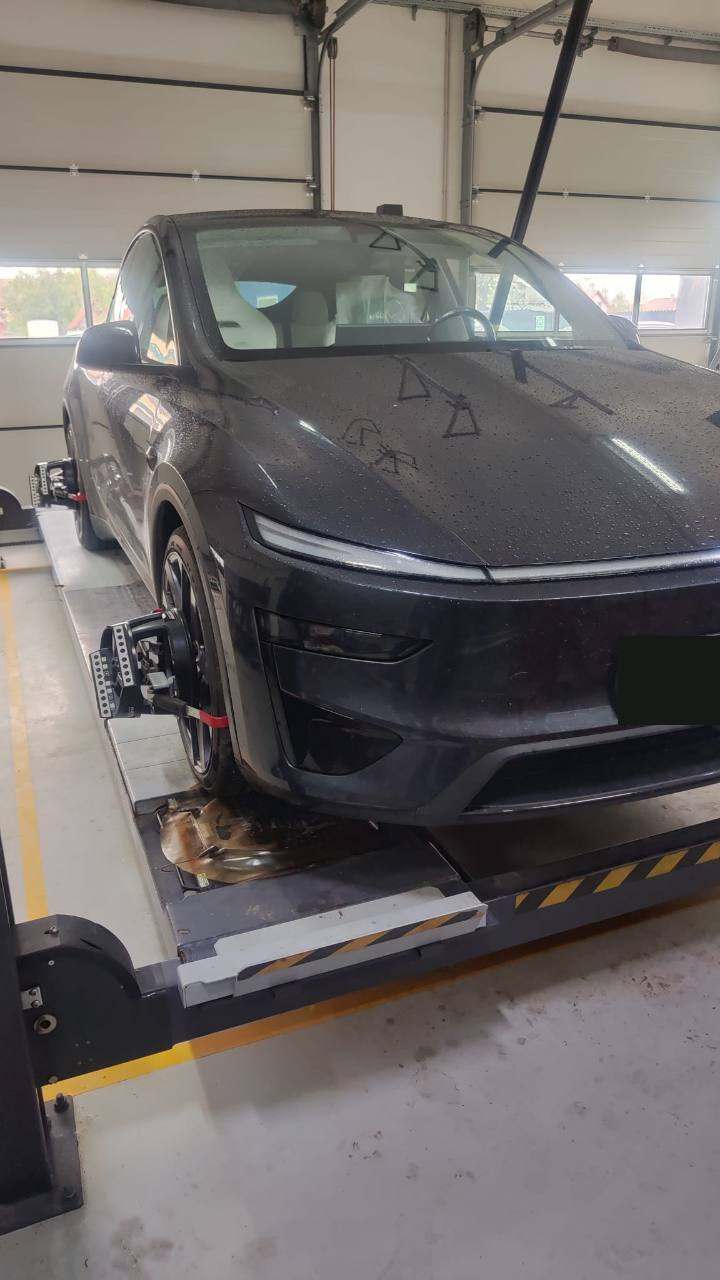
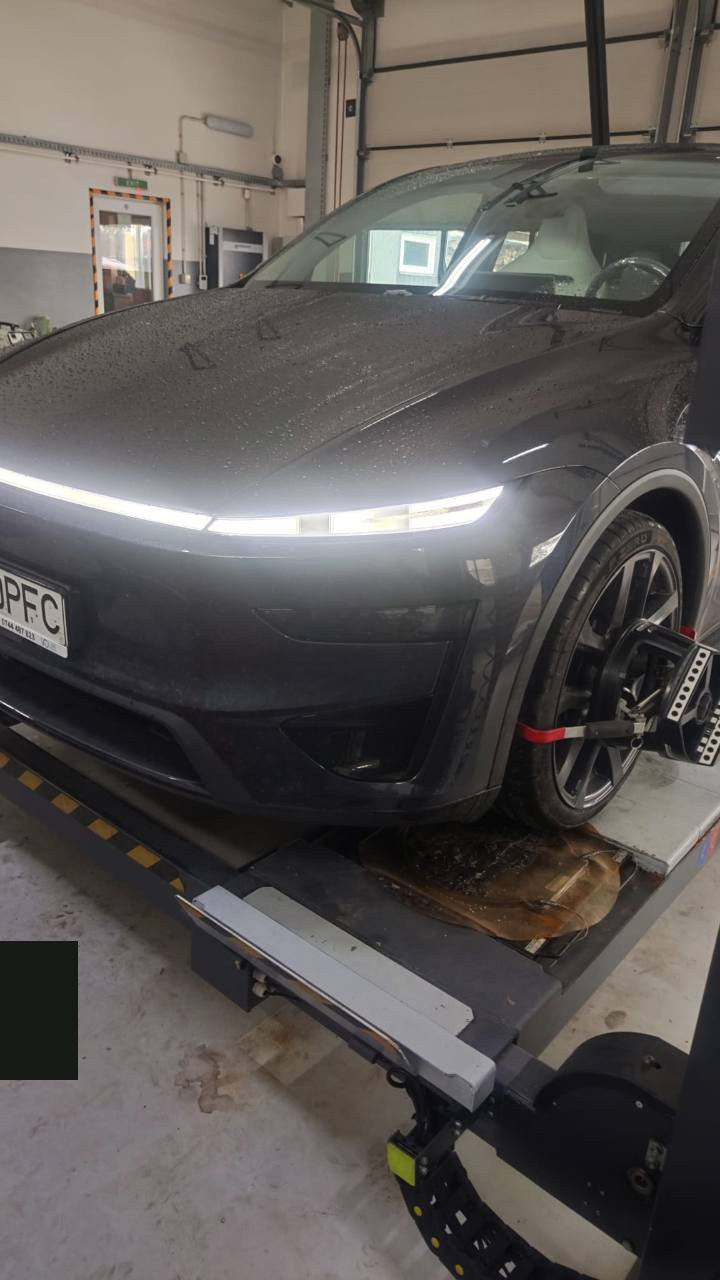
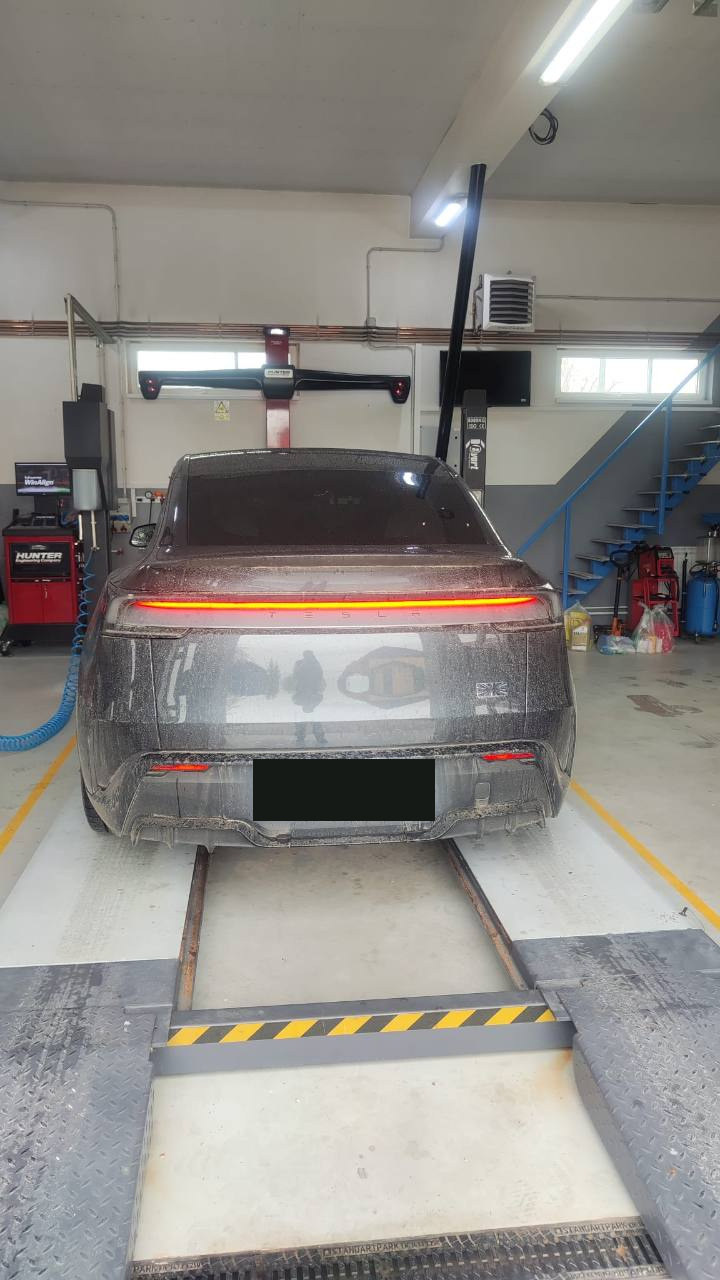
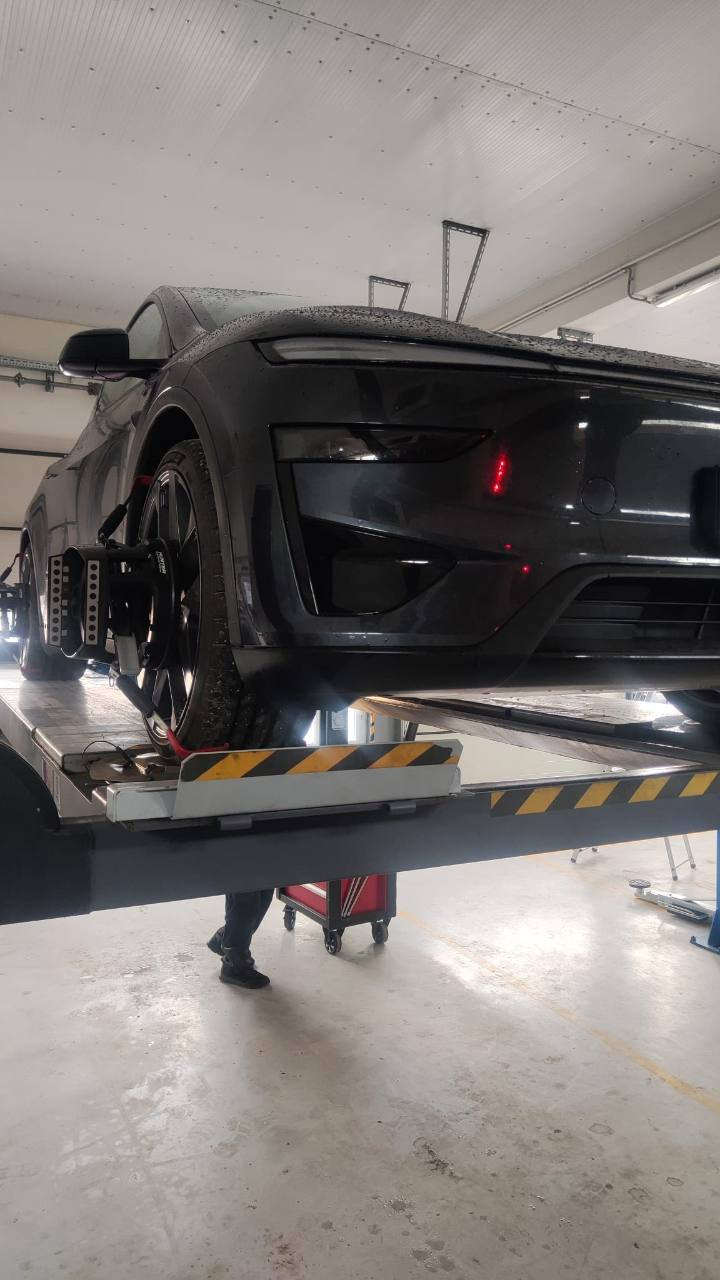
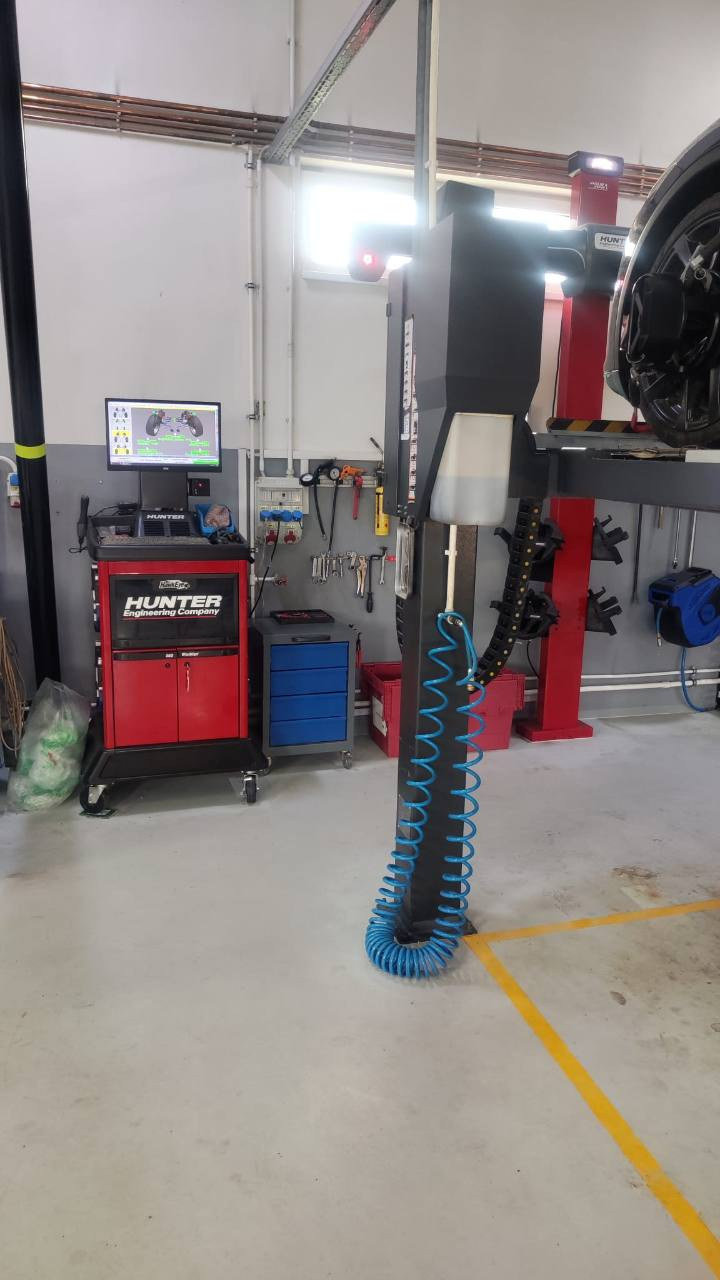
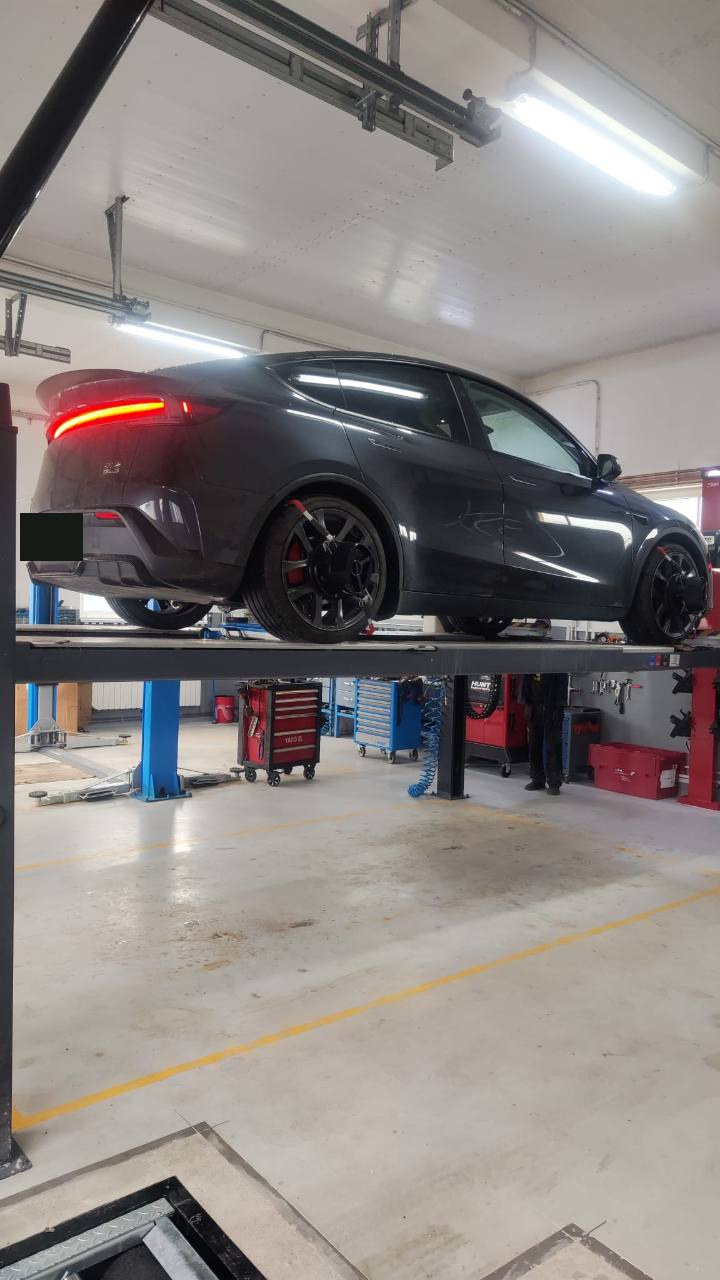
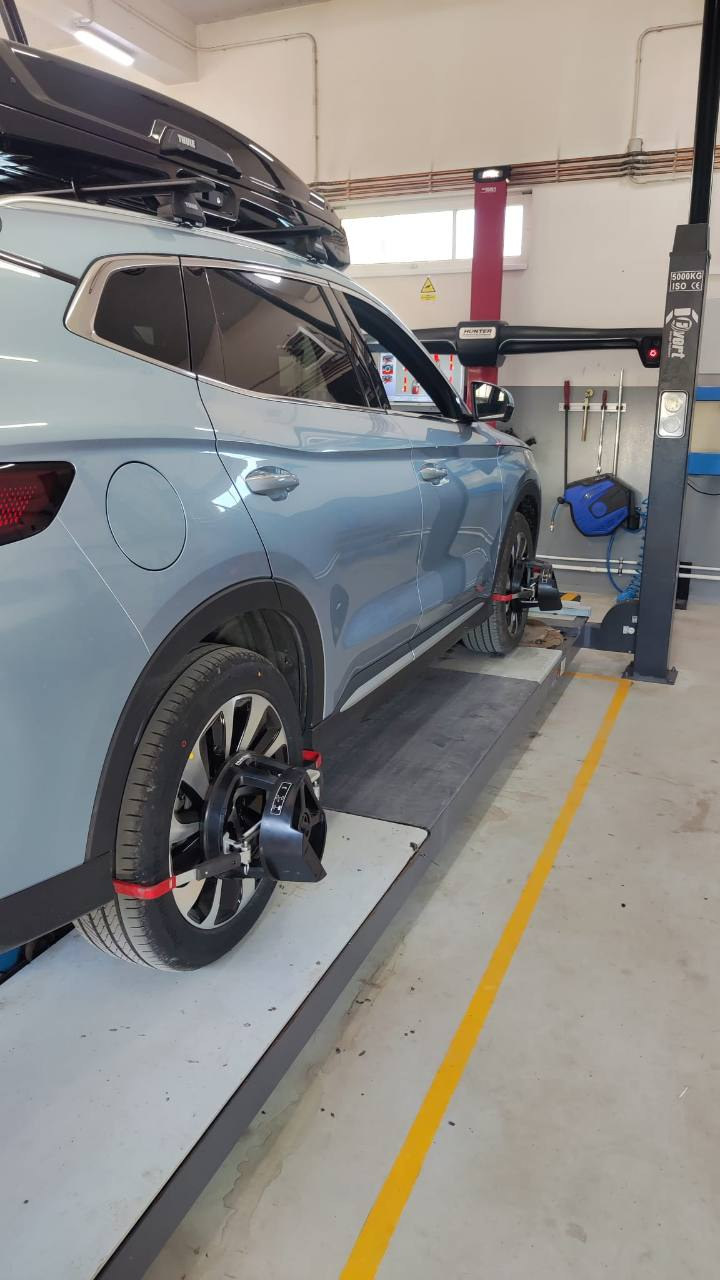
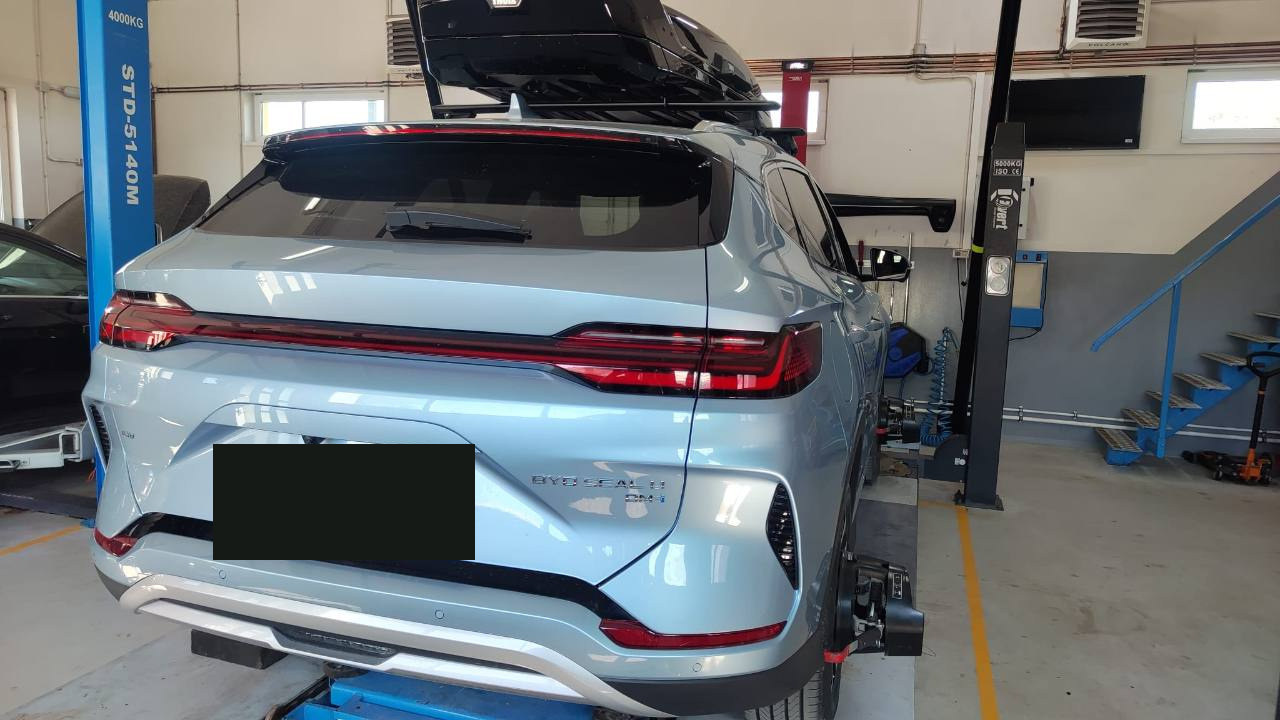
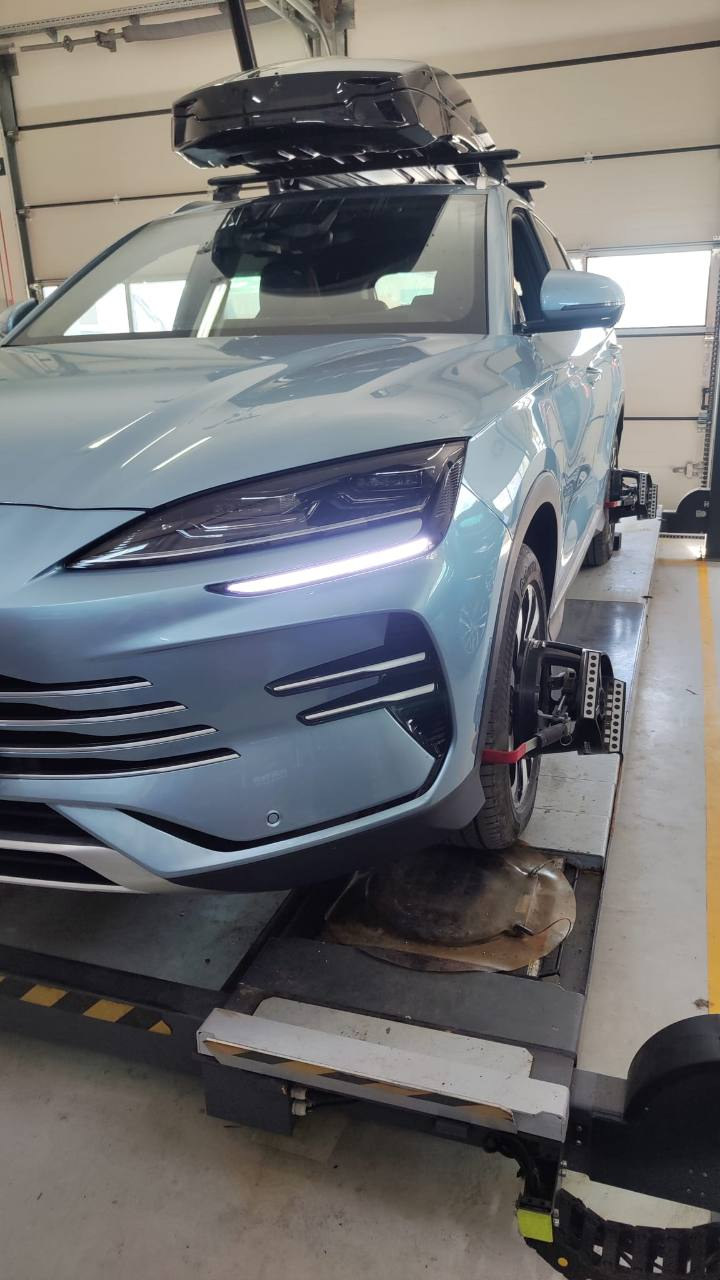
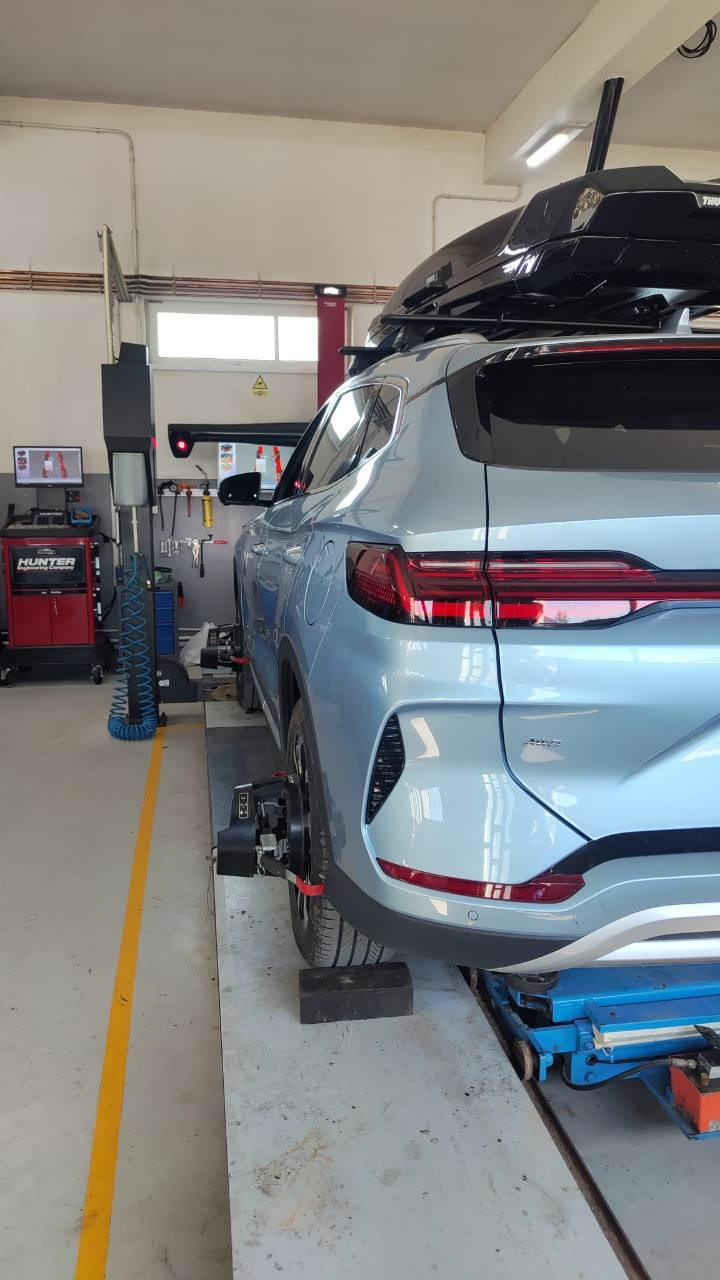
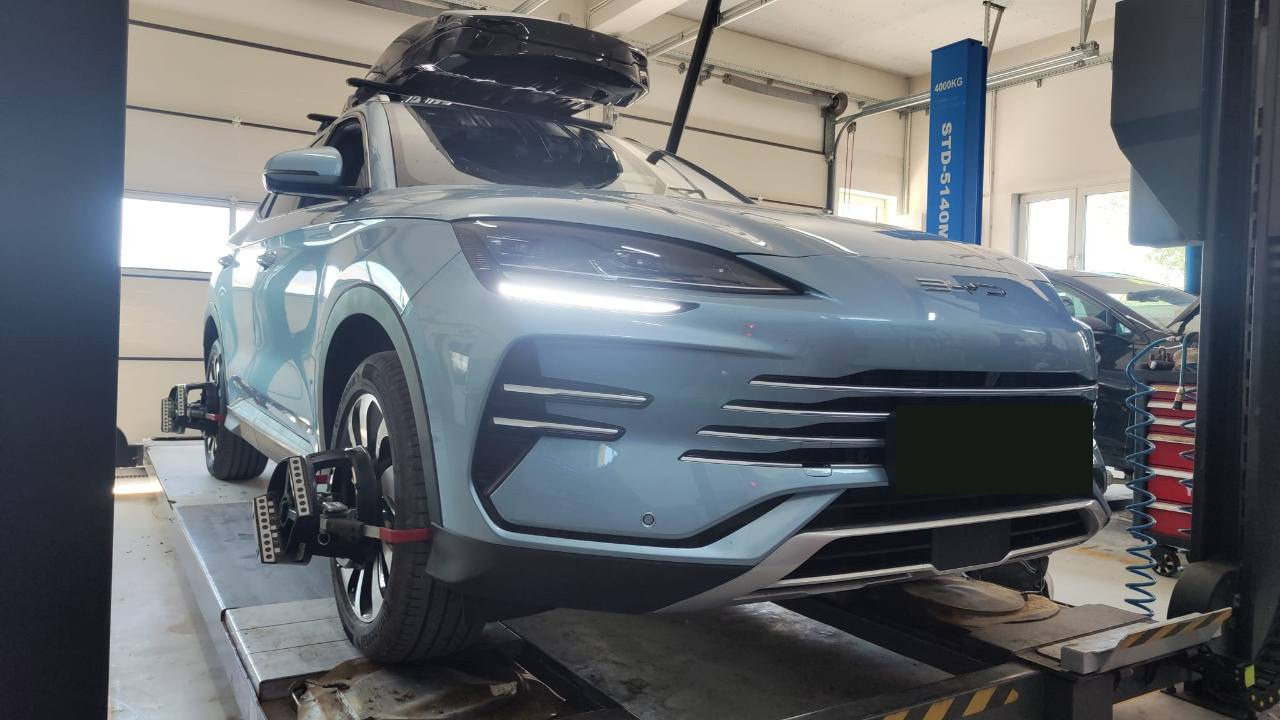
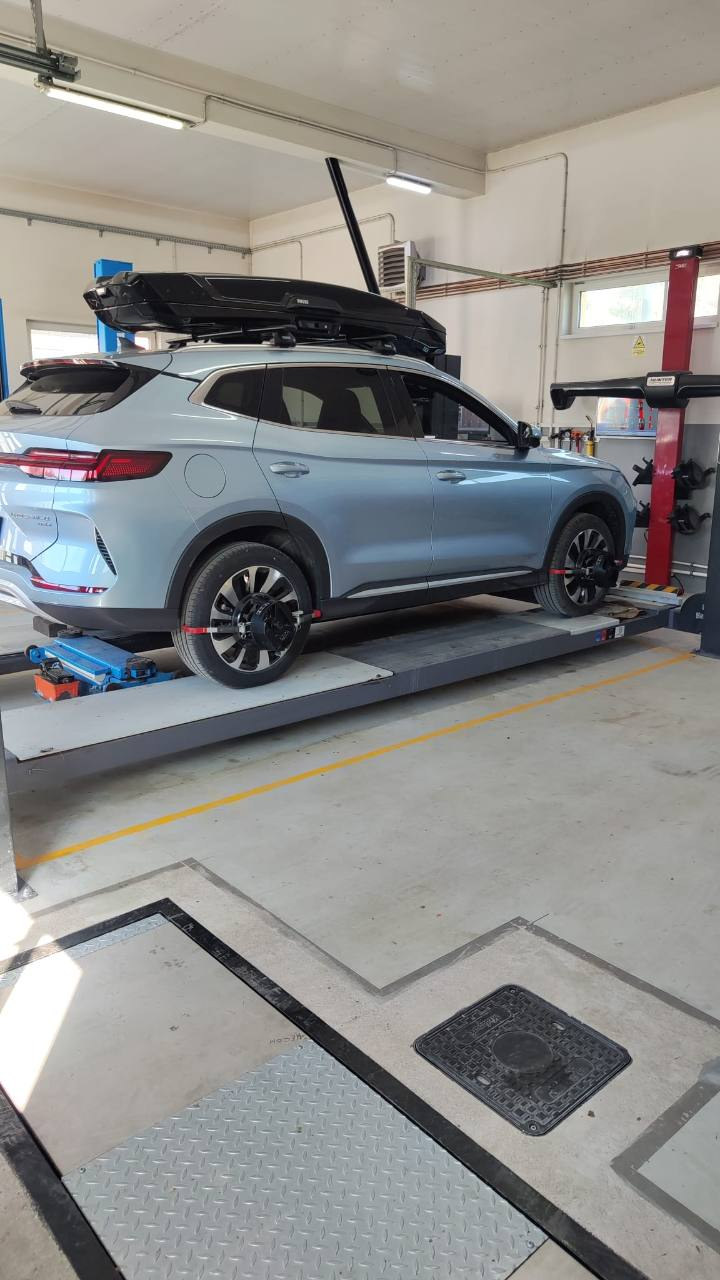
Wheel geometry describes how the wheels sit relative to the car and to one another. Hunter 3D measurement makes those relationships visible. The goal is alignment against the manufacturer’s data, rather than simply making the steering wheel look straight.
What does this include?
- Toe
- How far the wheels point towards or away from one another when viewed from above.
- Camber
- The wheel’s tilt relative to vertical, viewed from the front.
- Caster
- The steering axis angle viewed from the side, one factor in steering behaviour.
When is a check worth considering?
- If the car pulls, the steering wheel sits off-centre or wear is uneven.
- After suspension or steering component replacement as part of the specified checks.
- After a significant impact with a road defect if the vehicle’s behaviour has changed.
Our approach in the workshop
We review the concern and condition
Wear and mechanical faults can influence which work is appropriate.
We measure the geometry
We compare the readings with the manufacturer’s data for that vehicle.
We adjust and check again
We make adjustments permitted by the design and discuss the results with you.
Questions we often hear
Can every measured angle be adjusted?
Not on every vehicle. A deviation can result from wear or damage that cannot be corrected through adjustment alone.
Does pulling always mean an alignment fault?
Not necessarily. Other conditions can cause it, so measurement is part of the investigation rather than a ready-made answer.
The exact work depends on the vehicle model, equipment, condition and manufacturer procedure. We agree the scope and price of the inspection in advance.